HOURS: TUESDAY - SATURDAY 12-9PM // CLOSED SUNDAYS & MONDAYS
Vol. 57 - But where does this damn taste of licorice come from?
Harvard Square
Zero-Two-Wine-Three-Eight
The most opinionated wine Newsletter in America
Click here for the pdf-formatted version
But where does this damn taste
of licorice come from?
Book of Bertil: # 57
If there is a particularly intriguing difference between European and American taste sensitivities, it may be manifested in the relationship with anise and black licorice, two aromatic signatures that are nevertheless present, sometimes discreetly, in the American taste world, even in certain emblematic sodas, from Coca-Cola to Dr Pepper. So why do these evocations seem to provoke such reluctance among some East Coast consumers when they appear in a wine, and above all, where do they really come from? To answer this question, we must first go back to the fundamentals of tasting, understand what distinguishes aroma, taste and flavor, and then demystify a sensory vocabulary often used as if these three notions were interchangeable.
CHAPTER 1
Verse 57.01.01
Aromas, taste and flavor
These three notions are intimately linked in the experience of tasting, but they do not designate the same physiological and sensory phenomena, an essential distinction when trying to understand why a wine can evoke blackcurrant, violet, green pepper or, precisely, black licorice.
What are flavors?
Aromas are the sensations produced when volatile molecules reach our olfactory receptors and are interpreted by our brain, which compares them to smells already recorded in our memory. In wine, these molecules can evoke a multitude of familiar references such as fruits, flowers, herbs, spices, wood, earth, tobacco or leather, without these elements actually being present in the glass. A Cabernet Sauvignon reminiscent of blackcurrant does not contain blackcurrants, any more than a wine with violet notes contains flowers, but certain molecules, alone or in combination, produce a signature close enough to trigger an olfactory recognition process. These aromas can come directly from the grape and its grape variety, in which case we speak of primary or varietal aromas. As for the secondary aromas, they appear during fermentation and vinification. The tertiary aromas develop gradually during ageing and ageing in the bottle. Their intensity and diversity depend on the grape variety, the climate, the maturity of the grapes, the vintage and the winemaking choices.
The Pavlovian reaction
When a smell puts our senses on alert
A smell never only tells us what's in front of us, it can also prepare our bodies for what's to come. The smell of warm bread can whet the appetite, that of coffee announces the alarm clock, while a burning smell immediately mobilizes our attention by signaling a potential danger. This mechanism is based in part on associative learning comparable to Pavlovian conditioning. When a smell is regularly associated with a pleasant, nourishing, dangerous, or unpleasant experience, it can end up provoking, on its own, an anticipatory response.
Even before it has tasted, the brain builds expectations and can promote a reaction of attraction, pleasure, mistrust or rejection. Flavors then function as real predictive signals, shaped by our personal experience, our environment and our culture, and even if these associations remain deeply individual, they raise a particularly interesting question: "How can a population sharing the same food culture develop a relatively common reluctance towards a given aromatic family?"
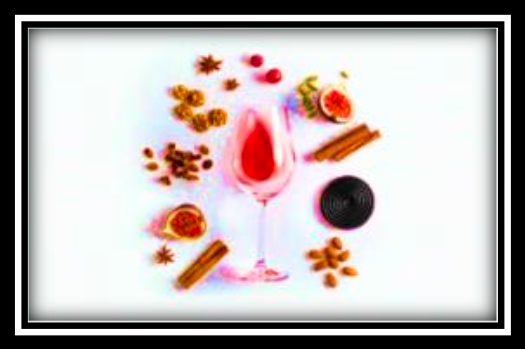
The varietal aromas of the wine
Varietal aromas, also known as primary aromas, are the olfactory expressions associated with the grape variety and the compounds or precursors present in the grape. Depending on the variety, they can evoke fruit, flowers, plants or spices. For example, Sauvignon Blanc is famous for its notes of grapefruit, fresh grass, boxwood and sometimes for this singular evocation traditionally described as "cat's pee", while Cabernet Sauvignon can be reminiscent of blackcurrant and green pepper, but also of tomato leaf or stem, graphite, wood pencil or black licorice. However, this expression is never fixed, because the climate and the maturity of the grapes can profoundly modify the aromatic face of the same grape variety, it is then that in warmer conditions, as in certain Californian regions, the vegetal characteristics can be attenuated in favor of a riper, more generous and darker fruit. Behind this transformation lies a complex chemistry, composed of molecules sometimes present in minute concentrations, but powerful enough to shape the olfactory identity of the wine.
57.01.04Thiols, terpenes and methoxypyrazines
The volatile thiols, remarkable for their extraordinary olfactory power, are perceptible at extremely low concentrations and participate in evocations of grapefruit, passion fruit, citrus, boxwood or blackcurrant bud, particularly emblematic of Sauvignon Blanc. Some of their precursors are present in an initially odorless form in the grapes before being transformed under the action of yeasts during alcoholic fermentation, making this stage a decisive moment in the revelation of their aromatic potential.
Terpenes lead us to a more floral and fragrant universe, dominated by rose, white flowers, citrus fruits and muscat nuances; naturally abundant in certain particularly expressive grape varieties, such as Muscat or Gewurztraminer, they contribute to the sometimes-striking impression of finding in the glass the very scent of fresh grapes.
Finally, methoxypyrazines speak a resolutely vegetal language, evoking green peppers, fresh herbs or tomato leaves and stems, all characteristics that can be found in particular in Cabernet Franc, Cabernet Sauvignon and Sauvignon Blanc. Their concentration tends to decrease during the ripening of the grapes, but in cooler climates, certain vintages or an earlier harvest can promote a more marked vegetal expression of these olfactory molecules.
Thus, far from being simple chemical curiosities, thiols, terpenes and methoxypyrazines constitute different voices in the aromatic language of wine, capable of transforming invisible molecules into fruits, flowers or plants in our olfactory memory and telling, through a glass, part of the history of the grape variety and the conditions that have shaped it.
57.01.05Secondary and tertiary aromas
Secondary aromas appear mainly during winemaking, when the grape gradually ceases to be simply a fruit and becomes wine. During alcoholic fermentation, yeasts convert sugars into alcohol while producing many aromatic compounds that can evoke bananas, pears, flowers or spices, while some production methods can bring out nuances of bread, brioche or yeast. Malolactic fermentation, on the other hand, can contribute to impressions reminiscent of butter or cream. As for the tertiary aromas, they belong more to time and develop during ageing and ageing, when the compounds in the wine continue to evolve and recompose. Together, secondary and tertiary aromas talk less about the original grape than about its transformation and evolution, under the influence of the winemaker's work and time.

CHAPTER 2
Verse 57.02.01
And so, where do these licorice aromas in wine come from?
The impression of licorice encountered in some wines should not necessarily be attributed to a single molecule because it can result from the combination of several aromatic compounds which, together, bring to mind the world of anise, fennel, sweet spices and licorice. Some grape varieties, in particular Syrah, Mourvèdre or Grenache, can naturally develop this aromatic register, while barrel ageing can also enrich the wine with spicy, smoky, vanilla or toasted nuances that can reinforce this association. The heating of the wood during the "bousinage" process transforms its aromatic composition and directly influences the profile transmitted to the wine, depending on the origin of the oak, the duration of ageing and the degree of toasting, then the expression can evolve towards vanilla, spices, toasted, smoked or other empyreumatic nuances which, combined with the wine's own characteristics, can accentuate an impression of licorice.
57.02.02
But why is this aroma so off-putting for some consumers?
The difference becomes particularly interesting when comparing some European traditions to those of the East Coast of the United States, because anise and licorice historically do not occupy the same place in their food imagination. In Mediterranean Europe and the Middle East, anise has long been part of the everyday landscape. In France, for example, Pastis or Ricard, Flavigny's anise, and certain pastries have familiarized several generations with its flavor. In Italy, sambuca and fennel seeds continue this aromatic register, while in Greece ouzo plays a similar role. Further north, especially in the Netherlands and Scandinavia, licorice, sometimes particularly intense or salty, has established itself as a familiar flavor.
57.02.03But on the American East Coast, the story is more contrasted
Even if these flavors do exist, especially through certain communities of European immigration, they do not necessarily occupy the same place in the dominant food culture, as other references: vanilla, cinnamon, mint, caramel, chocolate, cherry, grape flavors or root beer, which are often encountered very early in American food childhood. As for black licorice, it remains a particularly polarizing confectionery, while the term licorice may evoke for some a dark, medicinal and extremely persistent sensation. The paradox is even more interesting because some American confections culturally associated with the licorice candy category, such as the famous red Twizzlers, do not necessarily replicate the traditional flavor profile of black licorice. The word licorice therefore does not automatically evoke in an American consumer the same sensory memories as the word "Reglisse Noir" in some European consumers.
This difference comes into its own in the language of wine criticism when a French taster describes a Syrah as offering "seductive notes of licorice and anise," they usually assume that these words will evoke depth, spice, and complexity; But for an American reader less familiar with these flavors, licorice may on the contrary suggest a less appetizing, even downright off-putting sensation.
57.02.04Above all, it is necessary to distinguish between the terms
Anise, licorice, fennel and star anise do not designate the same plants or exactly the same aromatic profiles, even if their signatures may come together around an aniseed register. In a review aimed at the American public, it may therefore be more precise, when the actual profile of the wine justifies it, to distinguish anise seed, fennel, star anise or sweet spice, rather than systematically grouping all these sensations under the single term of "licorice".
57.02.05What is taste?
Taste is the sensation produced when substances in a food or drink come into contact with the taste receptors in our mouth; Unlike aromas, which belong to the realm of olfaction, it is mainly based on the perception of five fundamental flavors: sweet, sour, salty, bitter and umami.
Mouth-tasting also includes physical and tactile sensations such as warmth, freshness, spiciness, astringency, viscosity, roundness or creamy texture that do not strictly speaking constitute tastes but play a powerful role in our perception of wine. Taste thus draws part of its great balance, but it is not enough, on its own, why we recognize a blackberry, a violet, a spice or a black licorice. So, to understand this experience, we must introduce the notion of flavor.
What is flavor?
Flavor corresponds to a much more global sensory perception, built when the brain brings together the tastes perceived in the mouth, the aromas captured in particular by retro-olfaction and various physical sensations to transform them into a coherent experience. It is this mechanism that allows us to accurately evoke a juicy blackberry, a fresh lemon, an aromatic herb or a spice, even though our tongue, in isolation, is not able to identify these objects. In wine, the flavor is thus enriched by freshness, the warmth of the alcohol, the astringency of the tannins, the bitterness, the texture and the persistence, all information that the brain gathers with the olfaction to give the wine its expression in the mouth. Flavor is therefore not a single sensation, but a multisensory construction, born from the dialogue between the nose, mouth and brain.
57.02.07So, what about that black licorice?
Black licorice belongs to that fascinating category of sensations that rarely leave you indifferent; we love it or we reject it. Its character is sometimes slightly medicinal. In wine, talking about black licorice obviously does not mean that licorice has been added; the taster uses this reference to convey a dark and persistent sensory impression, often associated with black fruits, spices, violets, herbs or certain woody notes, which can be found in wines made from Syrah, Cabernet Sauvignon or Mediterranean grape varieties. Black licorice thus perfectly illustrates the subjectivity of tasting, because we never perceive a sensation independently of our history, because we also taste the memory, the emotion and the cultural value that our brain has learned to associate with it information of pleasure or rejection.

The flavor of black licorice in wine
The flavor of black licorice in wine is an overall sensory impression in which the aromas perceived by retro-olfaction combine with the tastes and tactile sensations felt in the mouth to evoke something dark, bitter, vegetal, spicy, earthy and sometimes slightly medicinal, with a persistence that seems to cling to the palate. In a red wine, this impression can appear in the middle of notes of blackcurrant, blackberry or black plum, before extending to anise, spices, dry herbs or certain balsamic nuances. When all this information is superimposed, our brain can bring it together under a familiar sensory image "black licorice". It should also be noted that the structure of the wine can further strengthen this association, as firm tannins, a slight bitterness on the finish and the warmth of the alcohol give more depth and persistence to the whole, reminiscent of the dense character of licorice. This is precisely why the notion of flavor is essential here.
57.02.09Where can we find this specific flavor?
This descriptor is frequently found in certain wines made from Syrah, Cabernet Sauvignon, Grenache or Mourvèdre, particularly when their profile combines ripe black fruits, spices and vegetal or balsamic nuances. In the United States, several regions offer expressions that are likely to fall into this register.
In California
Sonoma Coast/Santa Rosa: Syrah from the coolest areas can develop a spicy, peppery and sometimes aniseed profile, with an expression reminiscent of certain Rhône codes.
Santa Barbara County, Santa Rita Hills, and Ballard Canyon: The maritime influence and significant local climatic variations allow Syrah to retain freshness, spice, and character, which explains the region's reputation for American interpretations of the varietal.
Paso Robles: a major territory of the "Rhône Rangers" movement, the region has established itself around Syrah, Grenache and Mourvèdre, often assembled in the spirit of mobile phones, in a hot environment but marked by significant temperature variations.
Central Coast: more broadly, this vast region brings together many producers working with Rhône grape varieties, including Tablas Creek, historically linked to Château de Beaucastel.
Washington State
Walla Walla Valley: Syrah occupies an important place and can develop a peppery, smoky, spicy and sometimes aniseed register, favored by a continental climate and significant temperature variations.
Yakima Valley and Red Mountain: these regions also produce Syrah that can express this register of black fruits and spices.
Oregon
Rogue Valley and Applegate Valley: their relatively warm areas allow the cultivation of Syrah and the production of wines that can develop spicy and dark expressions.
Other U.S. Regions to Watch
In Virginia, some producers work with Syrah and Petit Verdot in a cooler and humid Atlantic environment, with profiles that can evolve towards spices; in Texas, particularly in the Hill Country, Mediterranean and Rhône grape varieties, including Mourvèdre, occupy an increasing place; finally, in New York State, this expression remains more marginal, the Finger Lakes being more associated with Riesling and Cabernet Franc, while Long Island offers another climatic context for red grape varieties.
CONCLUSION
Does wine really taste the same for everyone?
From the Mediterranean to the American East Coast, black licorice thus becomes much more than a simple tasting descriptor, it reveals the way in which the chemistry of wine meets our sensory memory, and how the same sensation can be interpreted as a mark of complexity by one culture and as a strangeness by another. So, in the end, this mysterious black licorice takes us much further than a simple search for an aromatic descriptor, because it reveals all the complexity of our relationship with wine. Behind what we spontaneously call a "taste" are aromatic molecules, gustatory and tactile sensations, but also a memory built up since childhood, nourished by our environment, our eating habits and our culture. Two people can taste exactly the same wine, recognize a comparable sensation and yet attribute a radically different value to it, and where one will find in anise or licorice the familiar memory of a confectionery, a Mediterranean aperitif or a spice, the other will be able to recognize in it a medicinal, foreign or simply unappetizing impression, and this is perhaps where one of the most fascinating dimensions of tasting lies. The wine does not only change according to the grape variety, the terroir, the climate, the vintage or the work of the winemaker; it also changes depending on who tastes it. Our brain is never satisfied with passively recording the molecules that reach it, it compares them, interprets them and links them to a sensory library built up over the course of our existence. Black licorice then becomes a formidable revelation of this border between chemistry and culture, between objective sensation and personal interpretation. And if our appreciation of a wine depends as much on what is in the glass as on what our memory brings to the tasting, when we say we like or hate an aroma, are we really judging the wine...or the story our brain tells us about it?
54 Church Street, Cambridge MA 02138
Powered by Lightspeed
Display prices in:USD
