HOURS: TUESDAY - SATURDAY 12-9PM // CLOSED SUNDAYS & MONDAYS
Because she deserves better than a bouquet
Read the PDF-formatted version here
Because she deserves better than a bouquet
Give her what no one else will give her this Sunday
Verjus, the extraordinary ingredient she hasn’t discovered yet, but soon won’t be able to live without.
Introduction
For passionate cooks, its remarkable versatility is a true revelation. An ancestral alternative to vinegar or lemon juice, softer and more refined, it transforms salad dressings, marinades, and roasted dishes into something exceptional. It also creates moments of elegant, alcohol-free pleasure. Simply pour it over ice with a splash of sparkling water and a squeeze of lemon to create a magnificent spritz, evoking the complexity of wine without the alcohol. It is equally surprising in both zero-proof and full-proof cocktails, opening the door to endless creative possibilities. Discover its history, its evolution, and its return in response to contemporary tastes seeking local products, a revival of culinary heritage, and natural vine-based alternatives without chemicals, or the industrial processes involved in dealcoholizing.
But what exactly is Verjus?
A treasure born from the vine
Verjus is one of those ancient products that alone tells a long story of taste. Its name comes from the Old French verjus, formed from ver in the sense of "green", therefore unripe, and juice. It refers to a more or less acidic liquid obtained by pressing grapes picked before maturity, sometimes also other sour fruits depending on the region and the period. Long before it was an object of gastronomic curiosity, verjus was a common, almost indispensable ingredient in European and Mediterranean cuisines. It is not wine, or even a juice intended to ferment. It is precisely an unfermented grape juice, sought after for its liveliness and acidity. Its history is that of a once indispensable, almost universal ingredient, now rediscovered, for its new versatility.
The Medieval Golden Age
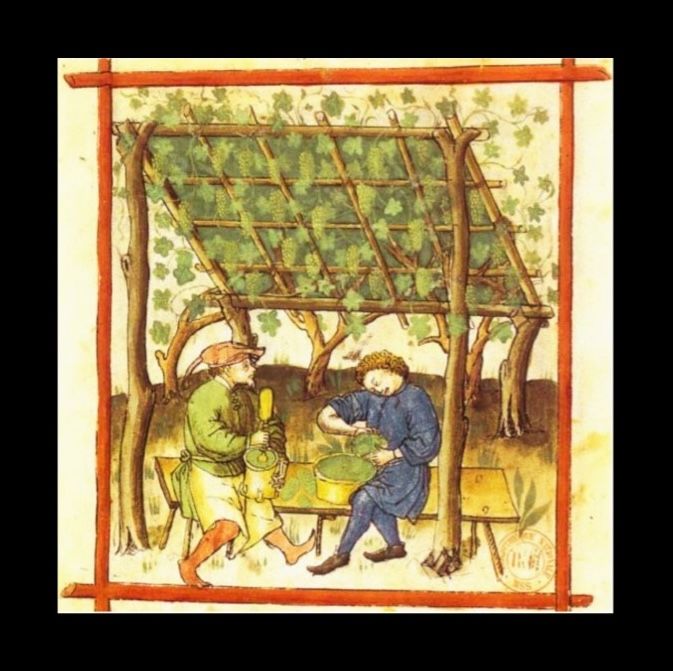
It was in the Middle Ages that verjus reached its true apogee. From the fourteenth century until the Tudor period (1485-1603), it appears in almost all European recipes. In France as in England, it acidifies sauces, balances meat dishes, lightens fatty preparations and accompanies vegetables with an elegance that vinegar cannot match. As a basic condiment, it is on the border between gastronomy and medicine, because the acidic taste was not only appreciated for the pleasure of the palate, but it was also said to have virtues for the balance of the body. Sometimes enriched with aromatic herbs, medicinal plants or sorrel, medieval verjus was a living, complex preparation, anchored in a global vision of eating well and living well.
The long decline, and its oblivion
From the seventeenth century onwards, trade intensified, citrus fruits circulated more easily, and lemon, a marker of refinement and exoticism, gradually dethroned verjuice. In two centuries, this once essential ingredient slowly disappeared from Western cuisines, considered too rustic, too popular, too forgotten. Only a few living traditions of the Middle East jealously guarded its use without interruption. From Persia to Lebanon, ab-ghooreh is essential for some stew and marinade dishes, bearing witness to a preserved history far wider and more universal than just medieval Europe.

The renaissance, its return
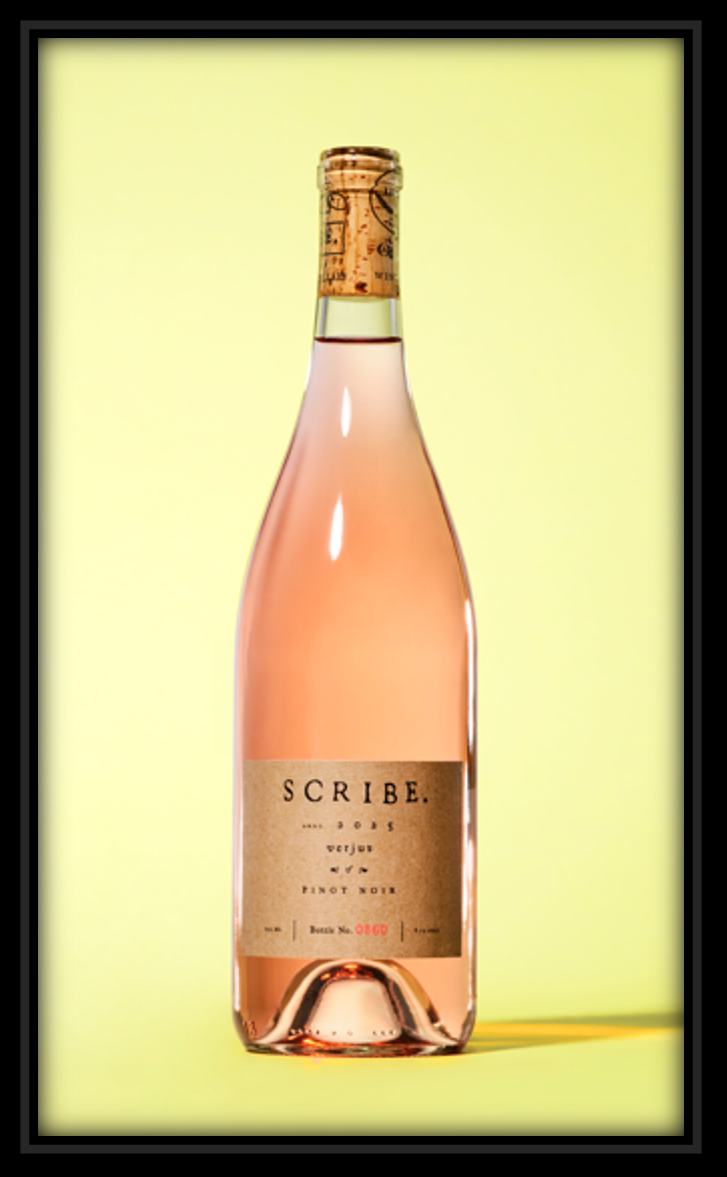
Today, verjus is reborn with brilliance. Michelin-starred chefs, passionate craftsmen and lovers of authentic gastronomy are rediscovering it for its incomparable finesse, sweeter than vinegar, different from lemon, deeply rooted in the terroir of the vine. It is also attractive because it responds to contemporary aspirations in the search for natural products, the rehabilitation of culinary heritage, and a desire for refined and versatile alcohol-free alternatives. With this in mind, Scribe Winery, a historic Sonoma estate passionately cultivated by brothers Andrew and Adam Mariani, offers one of the purest and most elegant expressions of this legendary ingredient. Cold-pressed from Pinot Noir grapes harvested mid-veraison, before the fruit accumulates too much sugar, their Verjus is 100% natural, alcohol-free, is remarkably versatile and brightly fresh.
Verjuice, the result of natural practice in the vineyard
Its modern use as a by-product of the green harvest
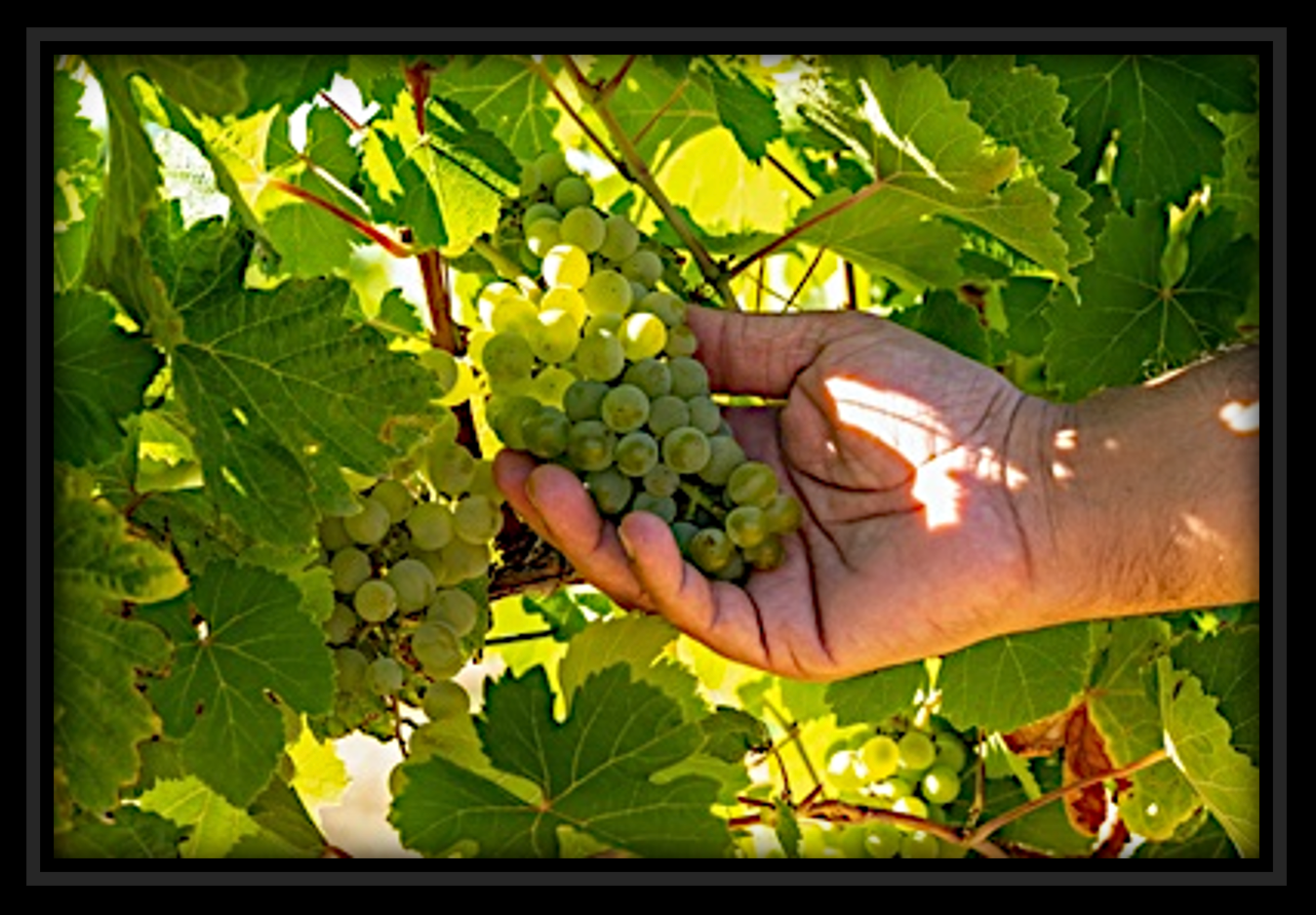
Today, in many vineyards, verjus is finding new life as a natural by-product of the green harvest. This agricultural practice, common in quality viticulture, consists of removing some of the bunches that are still immature in the middle of summer, to reduce the load on the vines. The objective is simple but precise: By reducing the number of bunches, the plant's energy is focused on the remaining grapes, allowing them to reach a more complete maturity, with a better balance between sugar and acidity, and often a greater aromatic concentration. This rigorous selection also contributes to higher Brix (Fructose) levels at harvest time, which is a guarantee of better quality for winemaking. As for the bunches removed, they are not lost. Pressed before sugar accumulates in them, they give rise to this lively and acidic juice called verjuice. What was once a gesture of common sense by farmers is now an act of reasoned eco-responsible valorization with zero waste, this is a double benefit. The vine gives the best of itself, and the verjus is the most elegant proof of this, because behind each bottle is a beautiful story.
What to do with Verjus
A Few Ideas in the Kitchen:
Chicken with Verjus & Grapes
The chicken with verjus and grapes seduces with its subtle balance between fruity sweetness and vegetal acidity. The verjus brings an elegant freshness that lightens the richness of the poultry, while the melting grapes prolong the aromatic notes. A refined, delicate recipe deeply inspired by the French gastronomic tradition.
Ingredients
- 4 chicken thighs
- 2/3 cup Scribe’s Verjus
- 1 cup white grapes
- 1 shallot, finely chopped
- 1 tbsp butter or olive oil
- 1 tsp fresh thyme
- Salt & black pepper
Preparation
Brown the chicken, add the shallot, deglaze with the verjuice and stir in the thyme and grapes. Gentle cooking: 25 to 30 min. Serve with homemade mashed potatoes or roasted vegetables.
Poached salmon with Verjus sauce
The poached salmon, topped with a verjus sauce, reveals a precision cuisine where the delicate acidity sublimates the silky texture of the fish. The vegetal freshness of the verjus balances the natural richness of the salmon without masking it. An elegant, bright and contemporary plate, carried by a remarkable aromatic finesse.
Ingredients
- 1/3 cup verjus
- 1/3 cup heavy cream
- 1 shallot, finely minced
- 1 tbsp butter
- 1 tbsp fresh dill or tarragon
- Salt & white pepper
Preparation
Sauté the shallot, reduce the verjuice, stir in the cream and then the herbs.
A few ideas for the cocktail bar:
With a pinot noir verjus, you can make very good thirst-quenching drinks, halfway between a spritz, a gourmet lemonade and a light cocktail. Since Pinot Noir often yields a slightly fruitier and more vinous verjus than a white verjuice, it works very well with red fruits, citrus, ginger, mint, thyme and sparkling water.
Le Spritz Zéro Proof
Ingredients
- 2 oz Pinot Noir verjus
- 2 oz sparkling water
- 1 to 2 oz tonic water, depending on desired bitterness
- Ice cubes
- Lemon or orange zest
- 2 mint leaves
Preparation
Fill a glass with ice. Add the Scribe’s verjus, sparkling water, and tonic. Stir gently and garnish with citrus zest and fresh mint.
Zéro Proof Champagne Style
Ingredients
- 2 3/4 oz very cold verjus
- 2 3/4 oz chilled club soda
- 1 sugar cube or 1/3 oz simple syrup
- 1 dash Angostura bitters
- A small splash of lemon juice
- Ice cubes
Preparation
In a glass, gently muddle the sugar with the bitters and lemon juice. Add ice, then pour in the verjus and club soda. Stir lightly. Pour without ice in a chilled champagne glass.
Margarita revisited with verjus, virgin or not
Ingredients
- 2 oz Scribe’s verjus
- 1 oz tequila (for zero proof: Ritual Zero Proof Tequila or Lyre’s Agave Blanco)
- 1/2 oz Cointreau (for zero proof: Lyre’s Orange Sec or Monday Triple Sec)
- A small splash of lime juice
- Ice cubes
- Fine salt for the rim (optional)
Preparation
Shake all ingredients with ice in a cocktail shaker. Strain into a chilled cocktail glass or serve over fresh ice. Garnish with a salted rim if desired.
Conclusion
This Mother's Day, give what no one else will.
Verjus is not just an ingredient, it is a rediscovery. A more elegant, natural and infinitely more creative way to bring freshness and balance to the kitchen and cocktails. Heir to a forgotten tradition and perfectly in tune with contemporary tastes, it transforms the simplest gestures into refined gastronomic experiences. So, this Sunday, because she deserves better than a bouquet of flowers, offer her the extraordinary ingredient she doesn't know yet... and which she will no longer be able to do without, and which will be her next obsession.
Powered by Lightspeed
Display prices in:USD
