HOURS: TUESDAY - SATURDAY 12-9PM // CLOSED SUNDAYS & MONDAYS
The Wine Bars of "The Hub"
The Wine Bars of "The Hub"
When "Beantown" slowly wakes up

Experience and meeting above all
Introduction
Nine months ago, I was writing a blog about NYC wine bars and, with the boom of this concept in our "The Hub" for the past few months, it had become natural to suggest a few addresses where you could feel a little more "Bostonian" and to introduce you to the wine bars of greater Boston. If wine bars have become very popular here, like all concepts, a trivialization caused by their success can sometimes make you lose the very personal interpretation of their initial missions. So here is the turn, without judgment or preference.
So... Facts only! *
*I have purposely omitted all hybrid concepts, such as Café-Vin, and restaurants that offer a full menu.
Definition and Interpretation
In its purest definition, the wine bar has its origins in Greek and Roman taverns, those gathering places where wine was consumed by the glass in a spirit of conversation and conviviality. Long before it became a trendy urban concept, the wine bar was primarily a social space. It was originally a living counter where exchange, discovery and sharing occupied a place as important as the wine itself. Over the centuries, the idea has evolved, but its essence has remained intact or the objective is above all to democratize wine, to make it more accessible, more spontaneous and less ceremonial than in the traditional world of gastronomic catering.
The Concept
Born in Europe and then gradually popularized in the United States, the concept has particularly asserted itself in several major American cities, including Boston, where it is now experiencing a real boom. In a city historically associated more with Irish pubs, oyster bars and academic institutions than with wine culture, the recent emergence of wine bars reflects a deeper shift in consumption habits: a search for experience, proximity and authenticity. But it is still necessary to define what a wine bar really is. Because behind this now ubiquitous name are very different approaches. Originally, the concept was based on a large selection of wines offered by the glass, in a deliberately relaxed setting. Wine plays a central role, and where the cuisine accompanies the experience without ever trying to dominate it. There are generally small plates to share, simple products such as cheese or charcuterie plates, and where the service is more oriented towards conversation and transmission than protocol. However, like all successful concepts, the wine bar has gradually seen its identity diversify, sometimes even diluted. In Boston, several establishments now claim this label while offering very different visions of what it really means. Some favor a more ambitious gastronomic approach, where wine becomes almost secondary to cooking. Others focus on a festive and social atmosphere, where the cocktail menu takes up as much space as the wine choices. Conversely, some addresses are trying to return to a more intimate and educational vision of wine, focused on the producer, the terroir and discovery. What makes the Boston scene particularly interesting today is precisely this search for identity. Unlike New York, Chicago or San Francisco, Boston remains a city whose wine culture is still under construction. Between European influence, the natural wine movement and the growing desire for more human and less codified experiences, the wine bar is gradually becoming much more than a trend. They become a new way of experiencing wine in our "Hub".
Boston:
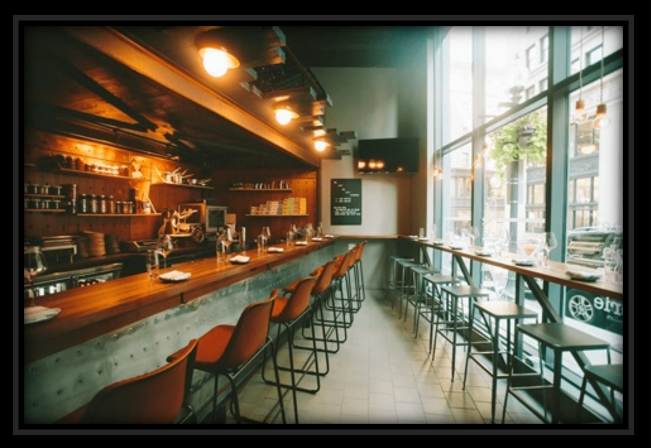
The Doyen: haley.henry
Opened in 2016 by Haley Fortier in Downtown Crossing
This wine bar has quickly become one of the most influential establishments in Boston's modern wine scene. Inspired by European wine bars and the energy of small New York bars, the place has helped redefine the way Bostonians consume wine, in a more casual, spontaneous, and, above all, more accessible way. The bar's reputation is mainly based on its selection of natural, eco-responsible and low-intervention wines, often from small independent producers. Far from the classic and formatted menus, haley.henry favors an approach focused on discovery, with a team known for its warm service and its ability to make wine less intimidating. Very quickly, the establishment became an essential meeting point for sommeliers, wine professionals and curious amateurs. The atmosphere also plays a key role. The décor is intimate, as it's a small space of 25 chairs, which is lively and purposefully unpretentious, offer dim lighting, a lively counter, energetic music and proximity between customers create an almost European atmosphere. As for the cuisine, the menu focuses on sharing with high-end fish preserves, charcuterie, cheeses and small tapas-style plates designed to accompany the wines rather than overpower them.
The pros: What is very pleasant is that no one, whatever the age, the orientation, hip or not, is very well received and where the atmosphere suits everyone, even if the establishment is entirely run by a group of very trendy and contemporary young women, with very emancipated political opinions.
The cons: You can easily be packed like sardines in a tin. So, get there early and enjoy the bar.
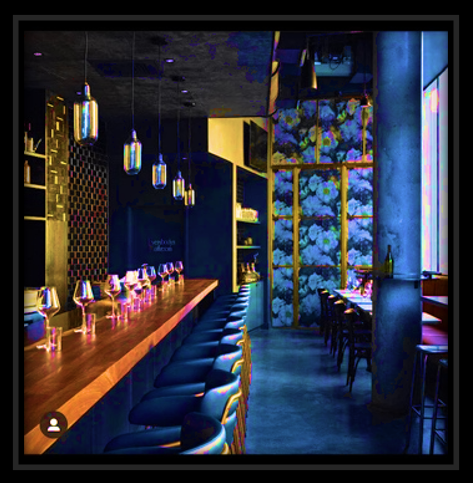
Nathálie Wine Bar
Opened in 2018 by Haley Fortier in Fenway
This concept has established itself since its opening as one of the most influential wine bars in Boston. Located in the Fenway district, the concept imagined by Haley Fortier pushes her vision of an accessible, contemporary and profoundly human wine even further. Here, wine is not treated as an object of prestige, but as a cultural and social experience. The concept is mainly based on a selection of small-production natural wines, with special attention paid to women winemakers and estates run by women. This strong identity quickly made Nathálie stand out in the Boston dining scene and receive several national accolades, including Imbibe Best New Bar in 2019. The atmosphere plays a central role in the experience, even if it could sometimes disturb some. The place mixes European elegance and American casualness with subdued lighting, minimalist design, neat music and an intimate atmosphere create an environment closer to the wine bars of Paris or Copenhagen than to the traditional Boston. In contrast to haley.henry, here there is more space between tables, and a more fluid circulation that can accommodate about 45 to 55 people, depending on the configuration of the service and the seasons. Condé Nast Traveler describes the place as "more European than Bostonian" in a good way. As for the cuisine, the menu favors small seasonal plates designed to accompany the wines, making up a simple but technical offer.
The pros: An open space with a more gastro menu and a larger selection of individual tables.
The cons: The bar regularly offers special evenings, where DJs and out-of-the-box concepts can entirely change the expectations heard for a wine bar.
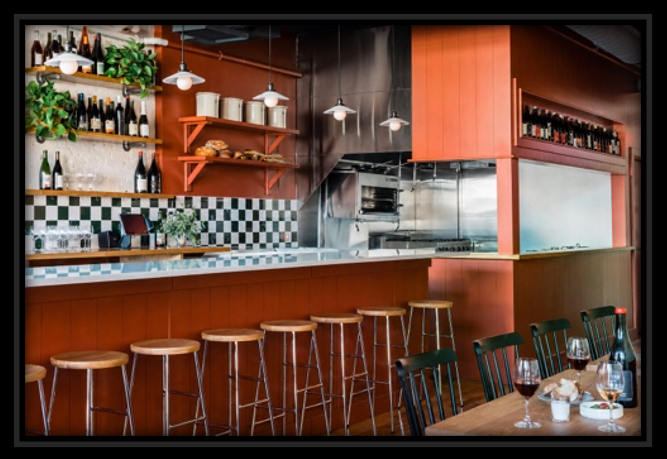
Gray's Hall
Opened in 2019 South Boston by Matt Thayer and Andy Fadous (American Provision)
Gray's Hall has established itself since opening in South Boston in late 2019 as one of the most serious and consistent wine-by-the-glass selections of the new Boston generation. Born from the project of the founders of American Provisions, the place was designed as a real neighborhood meeting point where wine, food and conviviality occupy an equal place, here we are almost in a bistro concept. The establishment claims a deliberately accessible approach to natural wine and seeks to break down the barriers sometimes considered too elitist in the wine world. The wine selection, which is around 80, is constantly renewed. The short menu that highlights small plates to share, seasonal vegetables, cheese and charcuterie boards, as well as seasonal cuisine very focused on New England products, is simple but of good quality. Unlike some more minimalist wine bars, Gray's Hall offers a more gastronomic experience while maintaining a relaxed and warm atmosphere. In an atmosphere where ambience is also a large part of its identity with dim lighting, intimate space, neighborhood energy and very human service create a very contemporary European feel than a classic American restaurant.
The pros: Discreetly, one of the best natural wine programs in the city. Seasonal food, producer-focused list, less touristy.
The cons: Not really a real wine bar, especially because they also offer beers and some products from the cordials family.
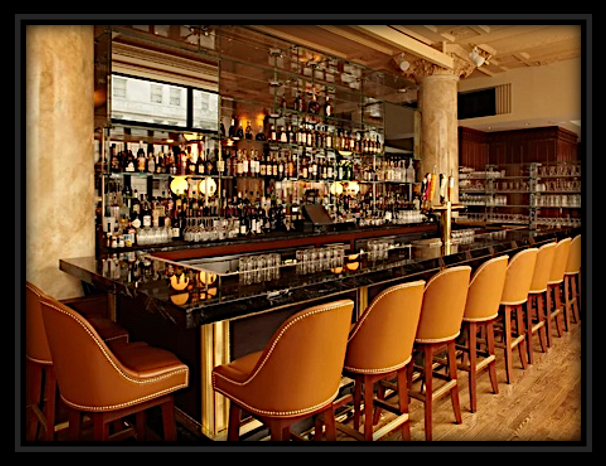
Bar Pallino
Opened in 2022 South End Boston by Ken Oringer and Jodie Battles
Located just below Faccia a Faccia, this bar is inspired by the new generation of Parisian and Italian wine bars, features an extensive list of organic, natural and biodynamic style wines. With an esoteric selection of 70+ wines very much oriented towards small European producers. It is a bar first and foremost with a nice selection of wine by the bottle and a very short list of 15 to 22 wines by the glass. The atmosphere plays a fundamental role, located in the basement, the bar offers a deliberately hushed aesthetic, raw materials, discreet music and proximity between customers create a sensation more reminiscent of Milanese cellars than traditional Boston establishments. The service remains relaxed but very knowledgeable. The menu is mainly based on small Italian plates to share, such as refined preserves, pickled vegetables, cheeses, cold cuts. The space remains deliberately compact with about 40 seats, which strongly contributes to its dense, intimate and almost clandestine energy.
The pros: A strong educational dimension around the wines offered, which has forged a reputation among lovers of low-intervention wines and professionals.
The cons: It's a bar, in the full definition of a bar, that offers a nice selection but very limited in terms of the choice of wine by the glass offered.
Cambridge & Somerville:
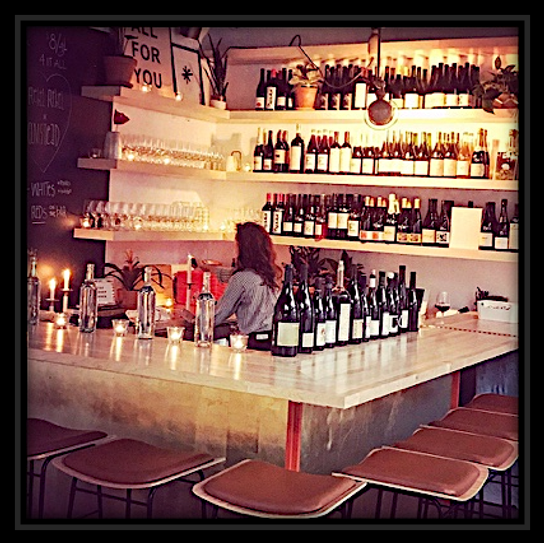
Rebel Rebel
Opened in late 2018 in Bow Market, Somerville by Lauren Friel
Since opening, Rebel Rebel has become one of the most influential establishments in natural wine culture in Boston. Founded by sommelier Lauren Friel, the project was born out of a clear desire to democratize wine and break the elitist image often associated with the world of sommellerie. From the beginning, Rebel Rebel has presented itself as a "no-rules natural wine bar", where the experience is based more on pleasure, discovery and inclusivity than on traditional wine codes. The space is very small, dense, and energetic, with less than 20 seats, in a space of barely 284 square feet, to which are added several outdoor seats on the patio during the summer. The concept mainly highlights small independent producers, often led by women. The menu changes daily according to the arrivals and the desires of the team. The venue typically offers more than a dozen wines by the glass as well as about 75 different producers in constant rotation. Rebel Rebel's reputation now goes far beyond Boston by having received several James Beard nominations, and in addition the establishment has become a national reference for its feminist and community vision of the modern wine bar which is described as a place where misogyny, racism, homophobia and bullying have no place. The décor mixes DIY aesthetics, activist posters, candles, independent music and a very Brooklyn wine bar atmosphere. The clientele is young, creative, queer-friendly and deeply attached to the culture of natural wine. There is no kitchen here, if you are hungry you have to order from the various gastronomic kiosks of Bow Market.
The pros: Arguably the Boston area's flagship natural wine bar. An energy that is extremely little focused on intervention. A place where you could make beautiful discoveries, winemaking and human.
The cons: If you're claustrophobic or sexist, or looking for a glass of Trump Vineyard Chardonnay, this is definitely not the place for you.
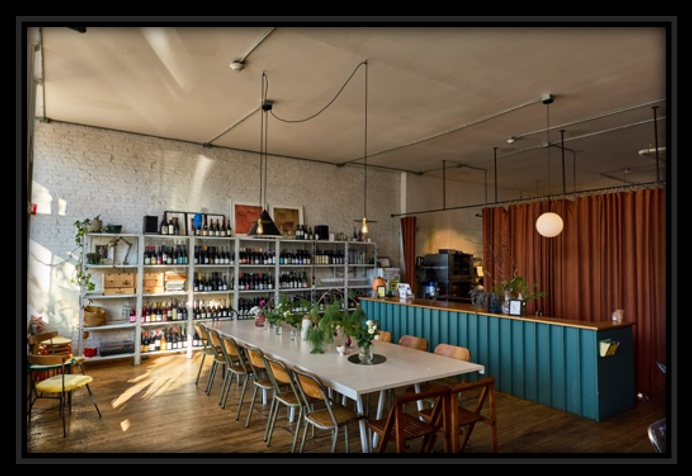
Dear Annie
Opened in 2021 in Cambridge near Porter Square, by Lauren Friel
Dear Annie was born out of the collaboration between sommelier Lauren Friel, (Rebel Rebel), and Chef Andrew Brady and Sara Markey of Field & Vine. The concept is based on a very modern vision of the wine bar, it is a very community place inspired as much by neighborhood pubs as by European natural wine bars. Here, wine remains at the center of the experience, but always in a warm, educational, but singular approach. The philosophy of the place favors Raw and Natural wines, local and international. The atmosphere is probably one of the most distinctive elements of the project with a décor that mixes subdued lighting, communal tables, industrial, crunchy, flower child, and neo-bohemian in a minimalist design. The large central counter and the community table with about 16 seats naturally encourage exchanges between customers. The service deliberately operates in a casual manner. Here it's the cafeteria service, where you order at the counter before sitting down, then you sit freely to choose with the support of the staff a wine by the glass from a rotating selection of more or less 20 possible choices, or by the bottle (more extensive). In terms of cuisine, Dear Annie offers a pescetarian and plant-based approach with a strong focus on local and seasonal New England produce. The menu is constantly evolving around creative small plates designed to accompany the wines. It is a very trendy establishment popular with Bostonians with a limited capacity of 40 to 50 seats including the large common table, the counter and a few corner tables spread throughout the room as well as a small seasonal terrace, so it is not uncommon to wait for a seat.
The pros: A trendy place where you must be seen if you are from the LGBQ+ family or one of those new wave hipsters. Here just wines, and an impeccable quality of cuisine, bravo.
The cons: If you are not a fan of Natty or Raw wines, and or zero-intervention wines aka "Funky", this is probably not the address for you.
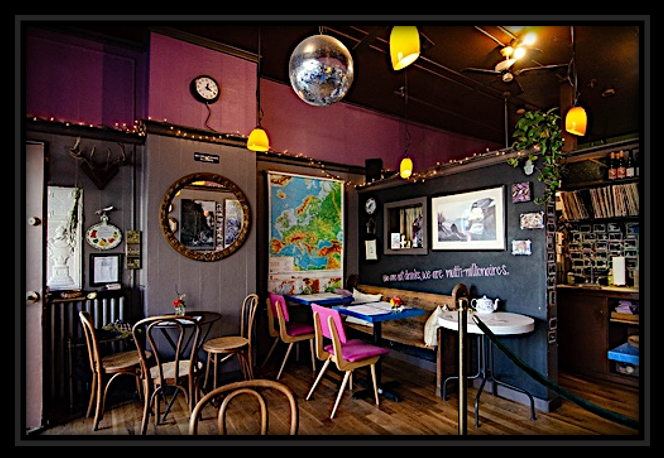
Zuzu's Petals Wine Bar
Opened in 2021 in Cambridge near Inman Square, by Alexandra Whisnant and Bobby (Robert) MacLean.
Zuzu's Petals represents probably the most expressive expression of this hippy counterculture of Cambridge's new wine bar scene. Since its opening, this place has quickly established itself as a cult address with a young and bohemian clientele, deeply attached to the culture of natural wine. More than just a wine bar, the concept is strongly inspired by the alternative wine cellars of Brooklyn, or the small Parisian wine counters of Cartier, or the Café-Vins of Montreal. Here, wine is not presented in an academic or elitist logic, but rather as a living element of sociability and personal expression. The selection mainly focuses on natural, biodynamic and low-intervention wines from small European and American producers. The program favors more textured wines, sometimes slightly fermentative or "funky", fully assuming the contemporary aesthetics of living wines. Here there are no cell phones or laptops, just a communal space where wine expresses itself as the décor, eclectic, funky, with a "Whatever, man!" attitude. Zuzu's is two adjacent spaces with subdued lighting, vinyls, minimalist furniture and deliberately flower power energy, create an almost clandestine atmosphere, halfway between the energy of a café de Cartier and a real wine bar. Unlike more festive bars, here the experience remains slow, conversational and immersive. As for the cuisine, the menu is deliberately very simple around cheeses and desserts. In terms of capacity, Zuzu's Petals remains a compact space that can accommodate about 18 people, and Zuzu's Petals Extension, has a capacity of 25+.
The pros: A real wine bar, without a bar in the first part, with a short but well-constructed selection, but all is by the glass, nothing by the bottle.
The cons: If you're looking for a sophisticated, hip, and hype place where your phone never leaves you, and where your Instamgramable moments are more important than the Zen spirit of a spa, then Zuzu's Petal is not for you.
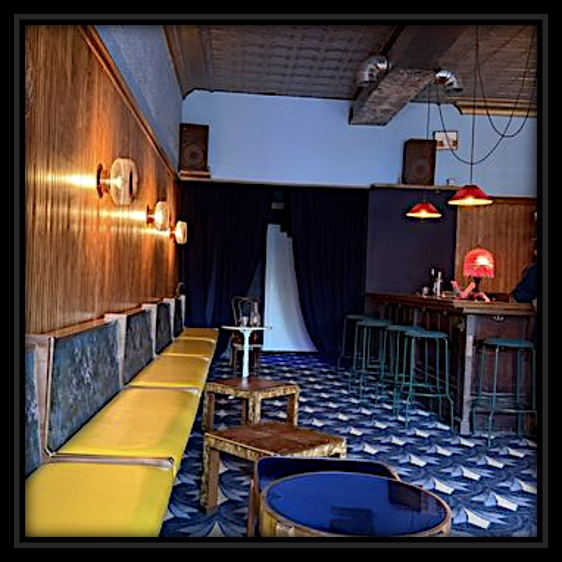
Zusammen Wine Bar
Opened in spring 2025 in North Cambridge by Danielle Pattavina
This Wine Bar represents one of the newest and most singular additions to Cambridge's new scene. The project deliberately moves away from the traditional gourmet wine bar model to a much more community-based, cultural and experimental approach, with a philosophy deeply rooted in the idea of the gathering place. Here, wine is not presented as a symbol of prestige, but rather as a vector of exchange, discovery and conviviality. The concept is based on a selection of natural wines from small international producers, in an accessible and lively approach to wine, there is also a selection of cocktails and other alcoholic drinks. The place also stands out for its regular cultural programming: workshops, collaborative tastings, musical evenings and community events are fully part of its identity. Unlike more formal or technical establishments, Zusammen favors a more human and relaxed experience, where conversation and sharing take center stage. With a capacity of around 20 seats, the atmosphere is more reminiscent of a European cultural lounge or a contemporary bar or a traditional restaurant. The décor, deliberately warm and minimalist, mixes vintage furniture from the 60s to the 80s, family heirlooms and a grand piano, creating an intimate and artistic atmosphere that is, above all, very eclectic. As for the cuisine, the offer remains simple and precise around small plates, artisanal products and snacks, designed to accompany wines and cocktails without excessive formality. This venue has quickly become one of the most sought-after new venues in Cambridge.
The pros: The service is very friendly and friendly, with a feeling of being somewhere in a private living room.
The cons: Here there is no sophistication: "What you see is what you get". So, you can find yourself sitting next to a person flip-flopping with not very clean feet, or an eccentric Harvard professor (Zusammen means “together” in German, after all). So if you have any expectations, let them go to the door of the establishment.
The Doyen: Spoke Wine Bar
Opened in 2013 in Somerville and owned since 2017 by Mary Kurth
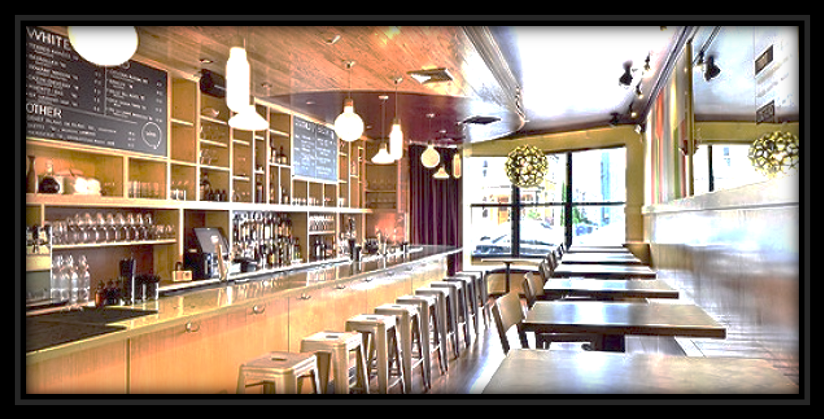
Spoke Wine Bar remains one of the most discreet, but also the most respected pioneers of the modern wine bar scene in Greater Boston. Opened in Somerville in 2013 by restaurateurs Felicia Foster and Allison Scola, the establishment largely preceded the current explosion of natural wine bars in the area. Long before the arrival of concepts such as Rebel Rebel or Dear Annie, Spoke already offered an approach focused on small producers, artisanal wines and a more intimate, human and deeply rooted in the spirit of the neighborhood. The concept is based on a deliberately simple philosophy of offering refined seasonal cuisine in a warm and accessible environment, where wine takes center stage without ever becoming intimidating. Unlike the more radical wine bars of the new "natty wine" generation, this Wine Bar favours a more nuanced approach, combining classic European references, artisanal producers and carefully selected natural vintages. The reputation of the place has been built around the remarkable consistency of its culinary program and its wine list developed with great precision. Popular with sommeliers, chefs and regulars in the neighborhood, Spoke is now considered one of the establishments that paved the way for the emergence of contemporary wine bar culture in Boston and Somerville. The atmosphere is an essential part of its identity. Nestled in a small, discreet space in Davis Square, the restaurant offers a hushed and intimate atmosphere with soft lighting, close tables, an open kitchen and attentive service create an experience more reminiscent of small European bistros than traditional American restaurants. As for the cuisine, the menu is constantly evolving to the rhythm of the seasons and the local products available. The plates, to be shared or not, highlight a technical but accessible approach, where farm vegetables, seafood, homemade pasta and contemporary European influences coexist with great balance. Their wine by the glass program generally offers between 15 and 20 selections, with a regular rotation favoring both discovery and gastronomic harmony With a capacity of about 40 seats, this gem deliberately maintains a human scale that directly participates in its identity as a true neighborhood wine bar, where the experience is based as much on the quality of the glass as on the feeling of belonging to the place.
The pros: You will surely be welcomed by the owner, Mary Kurth. You will discover an eccentric but extremely professional and passionate staff. For thrill seekers, ask Mary to make you food and wine pairings, she is surely the most talented in this field. With a more elaborate menu, the atmosphere can become very gastropub.
The cons: This is a very popular Wine Bar, if you don't book in advance, the chances of waiting a long time for a table are guaranteed. Remember that you are not coming here for just a glass of wine, but for a full meal and an unforgettable Somerville experience.
Conclusion
There you go, I tried to give you as honestly as possible and without personal preference these addresses, I visit them all regularly and know that I tried to remain as neutral as possible, take into consideration that they are all colleagues and friends. So now it's up to you to experience it and choose your favorites.
Powered by Lightspeed
Display prices in:USD
