HOURS: TUESDAY - SATURDAY 12-9PM // CLOSED SUNDAYS & MONDAYS
Vol. 48 - "Women Reinvent American Wine"

Read the pdf-formatted version here
Women Reinvent American Wine
Let's celebrate women's selves together
Book of Bertil 48
Introduction
Throughout the month of March, our newsletter will honor the North American women winemakers for whom we are proudly the representatives at the shop. But beyond these inspiring women, we want to celebrate all those who, directly or indirectly, bring our industry and our lives to life and evolve. For more than 45 years, I have had the privilege of working alongside these passionate professionals, and their talent, vision and commitment deserve to be applauded and shared. This month is an invitation to discover them, support them and recognize their essential role in the modernity of the wines we love to drink.
Women's Month goes beyond a simple symbolic tribute. It invites us to reflect on the place of women in our societies, and even more so in traditionally male sectors such as viticulture. Heir to the struggles of the early twentieth century and institutionalized by the United Nations, this month highlights the progress, but also the persistent obstacles to professional equality. In the United States, the presence of women in vineyards continues to grow, redefining the very identity of American wine. Sommeliers, oenologists, winemakers, estate managers, they are making their mark in technical teams and in management positions, bringing new practices, a renewed vision of management, a more inclusive corporate culture, and wine styles that are more suited to new markets. If parity remains an objective, the observation is clear; Women are no longer the exception in American cellars, they are now at the heart of an industry in full transformation, shaping its future with boldness and talent.
CHAPTER 1.0
Verse 48.1.01: In the USA
In the United States, the wine industry has never been so dynamic. According to the Wine Institute, the country now has more than 11,000 wineries spread across the nation. Although production is geographically concentrated, with a large share of total volume coming from just a few main states, wine (produced only from grape juice) is now made in all 50 states. As a result, viticulture has become a truly national activity, extending even to climate-marginal areas such as Alaska and Hawaii, albeit on a small scale. However, behind this economic vitality, a reality remains: women, although increasingly present, remain in the minority in key positions in winemaking. Because it is estimated that only about 30% of American winemakers are women. Although this figure marks a significant increase compared to previous decades, it is still far from parity, especially considering that women represent more than half of the American population, and moreover a high proportion of viticulture and oenology graduates in our country. In some major states such as California, the share of women holding the position of head winemaker remains lower, fluctuating between 15 and 20% according to sector studies. On the side of vineyard owners, the situation is slightly more favorable, as about 20% are owned or managed, in whole or in part, by women. Compared to the total number of fields, this represents more than 2,000 establishments where a woman plays a major decision-making role. However, women's exclusive ownership remains less frequent than co-management or family structures.
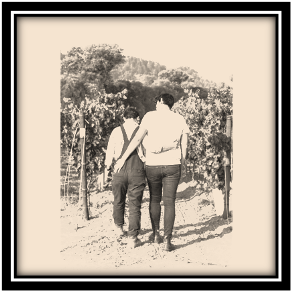
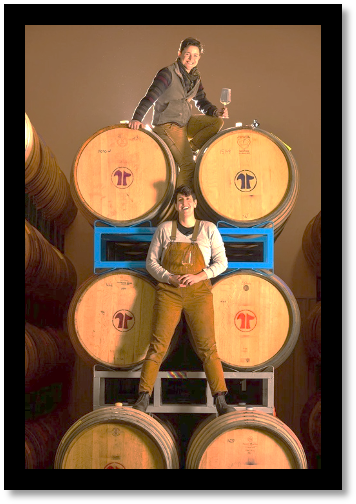
Verse 48.1.02: Corinne Rich and Katie Rouse
Birdhorse Wines, CA
Winegrowers, Entrepreneurs-Owners
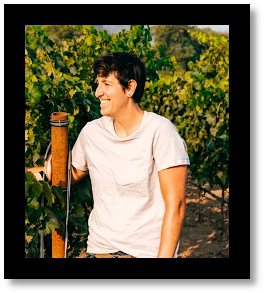
48.1.02.1: A chemist who became a creator of innovative wines
Corinne Rich grew up in Sonoma County, California, in a family of great wine lovers, but with no direct connection to the wine industry. After graduating from the University of Pennsylvania with a bachelor's degree in chemistry, she briefly began a career in pharmaceutical research before following her passion for wine. She traveled through vineyards in the United States, New Zealand, and Australia, working in grape harvests before returning to California to earn a master’s degree in viticulture and oenology at UC Davis, one of the most respected schools in the wine world. Today, Corinne splits her time between her role as an assistant oenologist at Scribe Winery in Sonoma and producing wines under their own label, Birdhorse Wines, which she co-founded with Katie.
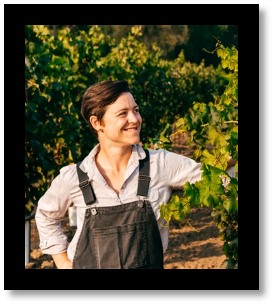
48.1.02.2: From geology to viticultural innovation
Katie Rouse grew up in California's Central Valley, in a family with ties to viticulture. She developed a love for the land and vines at an early age, which led her to study geology at Whitman College, where she earned a bachelor's degree. Her interest in the soil and science naturally led her back to wine, a field where these two passions, nature and science, meet. After working several harvests in the Napa/Sonoma Carneros area, Katie joined UC Davis for her master's degree in viticulture and oenology, where she met Corinne. Their collaboration took a decisive turn when they spent a harvest together in South Africa, a major source of inspiration for their joint project. Today, Katie is an assistant winemaker at Bedrock Wine Co. in Sonoma, while co-piloting Birdhorse Wines with Corinne.

Verse 48.1.03: Birdhorse Wines
A bold reinvention of California wine that tells a story
Founded in 2018 by Corinne Rich and Katie Rouse, Birdhorse Wines is much more than a small California winery, it's a statement of purpose. The duo, united in life (newly married) as well as in work, has made it their mission to highlight regions, grape varieties and histories that have long been marginalized in American wine. Rather than following in the footsteps of tradition dominated by great classic grape varieties such as Cabernet Sauvignon or Chardonnay, they explore more marginal varieties and terroirs that are often underestimated, revealing the diversity of possibilities in the Golden State. Their work begins long before the winery, with the choice of grapes from eco-responsible winemakers from Californian regions such as the Suisun Valley, Dry Creek Valley, Amador County and Mendocino, which are sometimes warmer areas where the fruit/acidity balance is difficult to achieve with traditional methods. In the cellar, they practice minimal intervention vinification with fermentation on indigenous yeasts, little or no use of new wood, and very limited addition of sulfur.
48.1.03.1: Because their objective is clear
To let the fruit, the soil and the character specific to each vine express themselves fully, without erasing their personality behind artificial techniques.
48.1.03.2: The Wines
These are all wines of character, often surprising for amateurs accustomed to classic Californian standards. Here we are not talking about simple light "glou glou" wines or "Natty" AKA "Raw" wines full of suspicious aromas and structures; vinegar, glue, nail polish, false notes, etc... These are pleasant and approachable wines, with authentic and refined expressions of often overlooked varieties, revealing a more nuanced and adventurous California wine. Without false notes.
48.1.03.3: A generational vision
More than a style, Birdhorse embodies a state of mind
Curiosity, inclusivity, respect for the terroir and desire to tell stories through wine. Their approach reflects a new generation of winemakers who are not just replicating what has always been done, but who are exploring what wine can become without neglecting quality and integrity, diverse, sustainable, and deeply expressive. Like all the signature wines, reflections of our philosophy at Bonde.
CHAPTER 2.0
(Wines available at Bonde Fine Wine this month)
Verse 48.2.01: Birdhorse Wine, Verdelho 2023
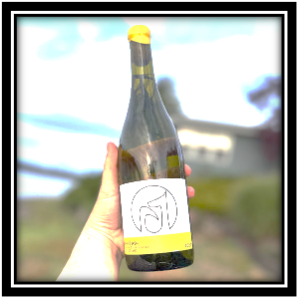
Evina Vineyard, Contra Costa County, CA
The Vineyard:
Grower: Tom Morgan
The Evina Vineyard, nestled in the town of Knightsen in Contra Costa County, CA, sits on Sorrento silty clay loam soils, which is made up of a combination of silt and clay that brings structure, moderate water retention and finesse of texture to the grapes grown there. These soils, historically rich but draining, allow the Verdelho vines to develop complete aromatic maturity without excess vigor, while preserving a lively and elegant acidity in the grapes. Located just a few miles from the San Joaquin Delta, the site enjoys a unique climatic influence with warm days favoring aromatic concentration, while the cool winds of the Delta temper the nighttime temperatures, helping to maintain the freshness and tangy brilliance of the fruit.
The grape variety:
Verdelho is a white grape variety that originated in Madeira, where it was historically used to produce the famous fortified wine of Madeira. It is also grown in mainland Portugal, especially in the Douro region, and is sometimes called Verdelho da Ilha or Verdelho dos Azores depending on its origin. Its introduction to California is attributed to Ron Silva, a winemaker from Lodi who planted the first plots of Verdelho in the 1990s after bringing back seedlings from the island of Pico in Portugal's Azores.
The Wine:
It captivates at first glance with its pale yellow with silvery-green reflections, without sediment deposits or defects. On the nose, bright citrus and green apple mingle with floral notes and subtle saline minerality, announcing a juicy and taut palate, where freshness and precision structure each sip. The finish, long and clean, prolongs this feeling of vitality, leaving an echo of citrus and white flowers. Dry, elegant, bright, and nervous, this wine will go ideally with grilled seafood, white fish, citrus salads and fresh cheeses, embodying both the pure expression of the terroir and a signature.
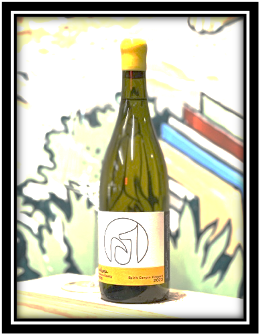
Verse 48.2.01: Birdhorse Wines Arneis 2023
Spirit Canyon Vineyard, Mendocino County, CA
The Vineyard:
Grower: Glenn McGourty
Spirit Canyon Vineyard, nestled in Mendocino County along the forested banks of the Russian River, sits on clay-like soils that promote deep rooting and balanced aromatic ripeness of white grapes such as Arneis. Planted in 1994 by Glenn McGourty, a former agricultural advisor at the University of California (UC) specializing in viticulture and plant science, this vineyard was designed as a tribute to Italian terroirs, reflecting freshness, depth and texture in the wines that come from it. Glenn cultivates this plot sustainably and carefully, ensuring the health of the soil and the natural expression of the fruit.
The grape variety:
Arneis is a white grape variety native to Piedmont, Italy, particularly the hills of Roero where it has been cultivated since at least the fifteenth century. It has long been known by synonyms such as Bianchetta, Bianchetto or Nebbiolo bianco, the latter reflecting its historical role as a grape variety mixed with Nebbiolo vines to attract birds or soften the tannins of reds, before becoming a recognized variety as a dry white wine in its own right. Despite its reputation as a "little picky" to grow, the renewed interest in white wines in the 1980s revived its plantation in Italy, and then inspired experimental plantings in California, especially in cool areas like Sonoma and Mendocino. The Seghesio family was the first to plant this grape variety in 1992, in cool sites in the Russian River Valley. Their effort marked the beginning of an interest in Arneis among Californian winemakers, though there are few that grow this delicate but expressive variety.
The Wine:
Rare and luminous, this wine is distinguished by its shimmering light yellow color. On the nose, ripe citrus, pear and white flowers harmonize with a subtle saline minerality. The palate is lively and round at the same time, offering a silky, graceful and drying texture of beeswax, with a tonic acidity that supports the wine throughout the tasting. The finish is long and refreshing, leaving a floral, creamy, and fruity memory. Dry, powerful and elegant, this white will go well with shellfish, grilled octopus, Mediterranean fish, and all the cuisines of the Adriatic will suit it, but also fine salads and flowery cheeses matured in their great maturity.
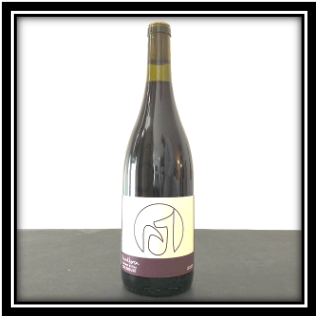
Verse 48.2.01: Birdhorse Wines, Valdiguié 2022
Back Road Vineyard, Suisun Valley, CA
The Vineyard:
Grower: Jeff & Jody Anselmo
The Back Road Vineyard, planted in the 1980s, extends over Brentwood clay loam soils, a clay-clay soil resulting from the alluvial deposits of the large river fan that forms the valley. These clay soils, with a good water holding capacity and a heavy but well-drained structure, promote expressive aromatic maturity while maintaining an essential freshness in the grapes, traits that are found in red wines. The vines, now about forty years old and now organically grown, produce generous, juicy clusters that reflect the climatic and geological diversity of Suisun Valley, a wine region established as AVA in 1982, often described as a lesser known but remarkably promising terroir of California viticulture.
The grape variety:
The Valdiguié grape variety was introduced to California very early in American wine history, probably in the late nineteenth century, at a time when winemakers were planting many European varieties without an appellation system or formal identification. Historical records show that Valdiguié was already grown in California even before the precise documentation of grape varieties began, and it was widely planted under the name Gamay Beaujolais or Napa Gamay (even though it wasn't real Gamay). It was only after ampelographic research conducted around the 1980s, notably by Pierre Galet and specialists from UC Davis, that these Californian vines were correctly identified as Valdiguié, a grape variety native to Languedoc Roussillon in the south of France, where it was traditionally grown in the Côtes du Tarn and Montagne Noire region. Historically called Gros Auxerrois, this grape variety has long been prized for its vigor, productivity and resistance to disease, making it an ideal choice for winemakers looking to produce light and accessible red wines that could be drunk young.
The Wine:
This wine seduces with its light and brilliant, almost translucent ruby color. The nose reveals bright red fruits, such as strawberry and raspberry, mixed with touches of sweet spices and dried herbs. On the palate, the wine is lively and elegant, light but with a subtle tension that guides the tasting. The finish, clean and persistent, retains this fruity freshness, ideal to accompany fine charcuterie, Mediterranean dishes or roast poultry. An accessible but refined red, revealing the potential of California's "forgotten" grape varieties. This shows how this "fringe" grape variety can compete with more well-known standards.
Verse 48.2.01: Birdhorse Wines, Cinsaut 2021
Farfalla Vineyard, Dry Creek Valley, Sonoma Coast, CA
The Vineyard
Grower: Mendoza Family Vineyard Management
Nestled in the heart of the Dry Creek Valley in northern Sonoma Valley, Farfalla Vineyard stands out as a unique vineyard that perfectly illustrates the link between terroir and wine expression. Planted on rich and well-drained sedimentary soils, typical of the valley, the estate benefits from an ideal exposure to oceanic influences, with significant temperature differences between day and night that allow the grapes to ripen slowly and develop complexity and freshness. Since its first plantings in 1999, the vineyard has undergone a partial replanting at the turn of the 2020s, incorporating new varieties including the Cinsault.
The grape variety:
This grape variety Cinsault, spelled Cinsaut in some regions, is a red grape variety native to the south of France, mainly from the Languedoc-Roussillon and Provence regions. Traditionally, it is used in red and rosé blends, especially with Grenache, Syrah and Mourvèdre, to bring suppleness, fruitiness and aromatic finesse. Cinsault is valued for its drought resistance, high fertility and ability to produce highly aromatic grapes with light tannins. The arrival of the Cinsault in the United States dates back to the late nineteenth and early twentieth centuries, with the earliest and most documented recorded plantation on Bechthold Vineyard circa 1885–1886 by Joseph Spenker, a German-born immigrant who settled in California after the Gold Rush. He is said to have planted this grape variety under the local label of "Black Malvasia". For a long time, it was a niche grape variety where it was mostly used for blending light red wines and rosés or to experiment with Californian "Old World" style wines. More recently, with the growing interest in forgotten or old grape varieties, it has been replanted by small artisanal producers to create very aromatic and fresh single-varietal wines, often in limited editions.
The Wine:
This light to medium-bodied red wine is distinguished by its light garnet color, a nose of small red fruits, dried flowers, and aromatic herbs, with a distinctive nose of 80% dark chocolate. With a juicy palate with fine tannins and balanced acidity, on a fatty finish with earthy and drying flavors at the same time, which offers a profile that is both elegant and distinguished. Versatile at the table, it will harmoniously accompany roasted poultry with herbs, grilled pork, Mediterranean dishes with tomatoes and sweet spices, as well as semi-firm cheeses and artisanal charcuterie, but also it will go very well with vegetarian cuisine based on grilled vegetables or mixed salads.
Conclusion
By celebrating Corinne and Katie's work, we are celebrating much more than an estate or a vintage. We welcome a profound movement, a transformation that goes far beyond the framework of American viticulture. Their journey embodies the evolution of a sector long structured by established traditions, today enriched by new voices, new sensibilities and an assumed boldness. Women in wine are no longer symbolic or marginal figures. They are scientists, managers, owners, creators and strategists, and they redefine the standards of excellence while expanding the vision of what contemporary wine can become. But this dynamic does not stop at the vineyards. The growing place of women in the economic, scientific, cultural and entrepreneurial spheres since the 1920s, then the 60s and finally since the 90s, strengthens our entire human ecosystem. A society that empowers women to realize their full potential not only corrects inequality, but it also expands collective intelligence, stimulates innovation, and fosters more inclusive and sustainable governance. When women are fully involved in decision-making, organizations become more nuanced, creative and resilient. Wine, a faithful mirror of our societies, always tells a story that is broader than that of the grapes and the terroir. By honoring the women who grow, craft, and carry the wines we love, we recognize their essential role in the modernity of our industry, but also in the broader evolution of the human sphere. Their presence is not an exception to history, it is one of the most decisive drivers of our society in a new millennium.
Powered by Lightspeed
Display prices in:USD
