HOURS: TUESDAY - SATURDAY 12-9PM // CLOSED SUNDAYS & MONDAYS
Vol. 49 - "Raw Wine, when it turns"

(Click here for the PDF-formatted version)
Raw Wine, when it turns
Inclusion becomes exclusion
Book of Bertil 49
Introduction
A little over four years ago (November 2021), I wrote the newsletter Vol. 2 "Natural Wine... Natural(ly) Misunderstood". In the same vein and with an enthusiasm that some would describe as stubborn, others courageous, and some slightly masochistic, I also offered you a reflection on the function of the sommelier Vol. 8 "Sommelier", as well as an attempt to ethically decode the wine list Vol. 10 "How to Read a Wine List at a Restaurant". In those bygone days (pre-authoritarianism), my intention was simple, and it remains so: to clarify the obstacles you have to negotiate, sometimes heroically, every time you want to acquire, in good faith, a glass or a bottle of wine in a restaurant or shop. Because yes, ordering wine has become, in some places, an exercise that is less about pleasure than about linguistic diplomacy. In some cases, we even wonder if you might not need a dictionary, a simultaneous translator, and a degree in anthropology to understand the wines on offer. I won't hide the fact that my frustration has hardly changed. This desire for "inclusion" claimed by the natural wine movement has, in many cases, turned into a thinly veiled form of exclusion. Under the guise of diversity, we sometimes end up marginalizing those who don't master the code, the vocabulary, or the expected generational references, or simply those who are looking for wines they'll like. For me, it has a very precise name: social anti-hospitality. And let's face it, that's probably the last thing we need today, and so the question remains: Is there a way to clearly inform the consumer about the style of wine offered, without erecting new barriers?
CHAPTER 1.0
Verse 49.1.01: The Logical Steps of a Diplomatic Solution
Let me therefore propose a solution. It may be intrusive, some would even say bold, but it will at least have the merit of seeking to include everyone...without asking for a password at the entrance, or an oath of loyalty to the native leaven. If you have taken the time to reread the Newsletter Vol. 2, you now have a better understanding of the term "Natural Wine", which today, more than ever, creates confusion and total chaos in the world of wine and especially in that of consumers. It is therefore time to restore it to its former glory by creating a more precise and clearer classification for the consumer. In order to fully understand the proposed approach, I would like to give you a condensed glossary of the different terms used to define viticultural and winemaking practices.
P.S. If you're already familiar with these terms, you can skip ahead to the next chapters. I won't blame you.

49.1.02: The genesis
Viticulture, i.e. the agricultural work of the land and the vine, can be divided into two main families: modern viticulture and "eco-responsible*" viticulture. Surprisingly, this distinction is very rarely explained, which creates confusion among the consumer, who does not differentiate between agricultural practices and winemaking practices. However, these two practices can be different in the same bottle of wine. Yes, just like how a person can eat only organic pizza...and order a Coca Cola to go along with it.
*Eco-responsible: Viticulture and winemaking sustainability is a global approach to wine production that seeks to reconcile quality, environmental sustainability, ecological awareness, social responsibility and economic viability, from the vine to the bottle.
Appendix: Part 1
The Lexicon in the Vine
Viticultural practices
Sustainable Viticulture
Sustainable viticulture aims to protect and improve the wine ecosystem as a whole.
- Environmental protection
- Social responsibility
- Economic viability
It seeks to preserve:
- The soils
- Biodiversity
- Water
- To reduce the carbon footprint, while ensuring fair working conditions and the financial sustainability of the estate.
Unlike strict organic farming, sustainable viticulture does not categorically ban certain chemicals, but it favors a minimal, measured and thoughtful use of them, in a logic of long-term balance. In short: Use science, but without turning the vineyard into a pharmaceutical laboratory.
Organic Viticulture
Organic viticulture is a pragmatic approach to vine cultivation that aims to produce quality grapes by balancing the following concerns:
It is based on:- A reasoned reduction in chemical inputs
- Intelligent soil management through cover crops and erosion control
- Active preservation of biodiversity
- Responsible water management
- A reduction in the carbon footprint
- Paying particular attention to the protection of pollinators and local fauna
It does not systematically ban synthetic products if they are biodegradable, but favours their minimal, targeted and reasoned use. Its goal is not absolute. Its goal is balance, which in the world of wine ,as in life, is often already a feat. Organic certification is supervised by the United States Department of Agriculture (USDA) through the National Organic Program (NOP).
Biodynamic Viticulture
Biodynamic viticulture is a holistic agricultural approach that considers the vineyard as a living organism, integrated into a larger whole connecting:
- Soil
- Plant
- Animal
- Human beings
- Cosmic cycles
It is based on the principles of organic farming while adding a philosophical and energetic dimension. It excludes the use of synthetic chemicals and favors natural preparations based on plants, minerals, and compost. Biodynamics is governed by private certifications, including Demeter. And yes, in this model, the moon sometimes influences the wine calendar more than the estate's accountant.
Regenerative Viticulture
Regenerative viticulture differs from sustainable or organic viticulture in that its focus is on active regeneration, rather than just preservation.
Its objective is to:- Restore soils
- Enrich the vineyard ecosystem
- Increase biodiversity
- Build soil resilience
- Permanent land cover
- The use of companion crops and green manures
- The integration of animals to fertilize naturally
- Limitation or absence of chemicals
It also promotes carbon capture and the improvement of the overall health of the vineyard, thanks to the respect of the microcosms of the soil and the essential role of fungi in the rhizosphere. Its objective is simple: to produce quality grapes while regenerating the land.
In the United States, several recognition frameworks exist, but there is no single federal label yet.
In other words: the principle is clear, health in the vineyard and health in the bottle.
Grazing Viticulture
Grazing in viticulture refers to the use of animals to graze directly in vineyards.
This practice has several advantages:
- Maintenance of plant cover
- Natural fertilization with manure
- Herbicide-free weed reduction
- Boosting biodiversity
Grazing is thus a concrete tool for harmonizing wine production and ecological health without heavy mechanical intervention.
And incidentally, it allows certain plots to be transformed into vineyards-farms...with built-in and perfectly biodegradable clippers. There is currently no official certification.
Classic (Modern-Industrial) Viticulture
Modern viticulture uses scientific and technological techniques to optimize:
- Efficiency and thus increased productivity
- Consistency
- Quality
- GMO Clone use
It includes:
- Controlled irrigation
- Targeted fertilization
- Using standardized clones
In its industrial form, it favors:
- Mass production
- Standardization
- Protection against diseases by preventive chemical application
- Complete mechanization
- Intensive use of chemicals (more than 40)
The business objective is often focused on volume, sometimes to the detriment of:
- Local terroir
- Biodiversity
- The qualitative expression of the grapes
In short: this produces a lot of wine that is very reliable... but sometimes as exciting as an instruction manual.

Appendix: Part 2
The Glossary in the Cellar:The Book of the Ten CommandmentsAs far as winemaking practices are concerned, i.e. the deliberate transformation of grape juice into wine, we are entering into a process that is at once biological, technical and living. Contrary to what many imagine, these practices may differ from those chosen in the vineyard. In other words, grapes grown in an exemplary way can be vinified in a thousand different ways...some inspired by nature, others by technology, and sometimes by a mix of both.
Sustainable Winemaking
In the cellar, sustainable winemaking practices aim to reduce the environmental impact while maintaining the quality of the wine.
This includes:
- Energy-efficient equipment for pumps, lighting and temperature control
- Water conservation through recycling and optimized cleaning methods
- Reducing waste, including composting grape pomace and recycling packaging
Sustainable wineries also favor a measured intervention, promoting natural fermentation and adding SO₂ only when it is really needed. The materials, barrels, vats, and equipment are chosen for their reduced environmental footprint.
These practices aim to:
- Conserve resources
- Reduce carbon emissions
- Maintain a long-term ecological balance
All this makes it possible to produce expressive and quality wines. However, and it is important to remember this, this does not automatically guarantee the organoleptic quality of the wine. Because even the most eco-friendly winery in the world can't do anything if the grapes aren't in the hands of a talented winemaker.
Organic Winemaking
In organic winemaking, cellar practices seek to preserve the integrity of organically grown grapes while avoiding synthetic chemicals.
This involves:- Minimal intervention
- Fermentation mainly carried out by indigenous yeasts
- A limitation, or even the absence, of added sulfites
Clarification and filtration are only carried out, when necessary, often using natural agents. The objective is clear: to produce a wine that reflects the organic practices of the vineyard while respecting the ecological balance. Let the wine do the talking...but keep an eye on the microphone.
Biodynamic Winemaking
In biodynamic winemaking, the winery follows the same philosophy as the vineyard.
The principles are:
- Natural processes
- Minimal intervention
- Harmony with ecological and cosmic cycles
Fermentation relies mainly on indigenous yeasts, and additions such as sulfites are severely limited or avoided and even in some cases prohibited. Filtration and clarification are often very limited, favoring natural methods.
In some areas, cellar operations follow the lunar and planetary calendar, which is considered favorable to the vitality of the wine.
The objective is to produce a wine that expresses:
- The terroir and the fruit
- Vitality
- The ecological balance
Regenerative Winemaking
In regenerative winemaking, winery practices aim to support the restoration of the wine ecosystem while producing high-quality wines.
The principles include:- Minimal intervention
- Natural fermentation with indigenous yeasts
- Prudent and limited use of additives, such as sulfites
- The equipment and processes are chosen to reduce the environmental impact
- Cleaning methods are designed to save water and energy
- Winery operations can also be coordinated with vineyard practices to support ecological cycles
The overall objective is to strengthen:
- Soil health
- Biodiversity
- The resilience of ecosystems while preserving the integrity of the wine.
In other words: to make wine today without compromising the land of tomorrow.
CHAPTER 2.0
Verse 49.2.01: NaturalAlthough the term dates to the winegrowers' revolt of 1907, the concept of "natural wine" as it is understood today emerged in France in the 1990s. A small group of winegrowers, restaurateurs, and wine merchants then began to advocate a return to low-intervention practices, in reaction to so-called "conventional" wines, shaped since the 1950s by chemical processes aimed at maximizing production and standardizing flavors. What began as a form of resistance to industrialization gradually spread throughout the world. However, the expression "natural wine" remains a vernacular term, without official administrative recognition, which incurs confusion for the consumer, and sometimes for the winemaker. If European legislation prohibits the direct commercial use of the words "Nature" or "Natural" associated with wine, there is an official and recognized designation authorized: "Natural Method Wine". This is completely ignored in American regulations.
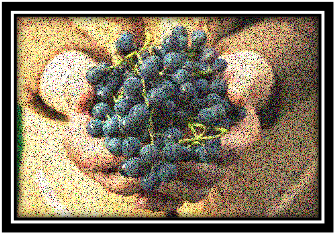
49.2.02: “Natural Method Wine” AKA “Natural Wine”
This category refers to wines produced from grapes from certified eco-responsible viticulture and vinified without oenological additives, or with only very small quantities of sulfites.
Certain techniques are excluded, including:
- Reverse osmosis
- Crossflow filtration
- Adding Inputs
These wines emphasize the control of the winemaker over a process that is deliberately not manipulated.
From a sensory point of view, some present:
Vibrant energy, little influence of the wood, light tannins, more pronounced acidity, fruitier wines.
Others can offer an organoleptic structure comparable to "classic" wines, with barrel ageing, solid tannic structures, and a marked typicity of the terroir and the grapes. It is also important to remember that many producers who are now associated with the natural movement were already working in this way before the 1980s, without claiming any particular label. Some of them still avoid any official affiliation so as not to be confused with the caricatures sometimes associated with so-called "natty" wines. Because yes, in this debate, the line between philosophy and folklore can sometimes become surprisingly thin and even dangerous.
49.2.03: “Natty Wine” or “Raw Wine”
In the United States, the term "natural wine" has no legal definition or regulatory framework. It is neither an official category nor a federally recognized designation. This lack of standards creates considerable ambiguity as to the practices actually used, the reasonable expectations of the consumer, the taste profile of the wine, and sometimes even its stability. This is why I propose to officially define this style of wine under a more precise terminology.
These wines could be described as:
- Non-interventionist method
- Hands-off winemaking
- Uncorrected vinification
- Non-manipulative cellar practices
In these cases, the winemaker does not intervene in any way during the winemaking process and does not add sulfites or preservatives.
These wines are often recognizable from the first nose with: High volatile acidity (vinegar), aromas of white glue, Band-Aid, and nail polish, "mousy" character, farm or septic tank smells, and rotten egg. So, the problem is simple to understand; as long as the bottle remains unopened, nothing visually distinguishes them from other natural wines, and yet they are not made for everyone. But it is precisely for this reason, and out of respect for the consumer (all tastes are in nature), that they should have their own clearly identifiable category. Knowing that surprises can be charming in life, but can be much less so in a $90 bottle of wine at a restaurant.

CHAPTER 3.0
Verse 49.3.01: Rewriting the wine list and shelf information
Now that you understand that a wine can come from organic viticulture while being vinified using a completely different method (see the newsletter Vol. 5 — "Genesis... Reading an American Wine Label"), it is becoming clear that greater transparency is needed. Because if all tastes are allowed, the use of a generic term such as "natural wine" or, even worse, the total absence of information on the method, creates a paradoxical situation by an involuntary exclusion of those who would simply like to know what they are going to drink. And let's be honest: knowing what's in your glass has never been a bourgeois whim. That's what I call... hospitality.
Verse 49.3.02: Proposal of a lexicon for wine lists and shelves
So, this is the lexicon that I humbly offer, but I confess it with a certain conviction, to all sommeliers, wine critics and wine merchants in our country. The objective is not to further complicate the world of wine (it already does that very well on its own), but to give the consumer clear and readable information, without unnecessary jargon and without initiatory mystery, by simply adding one of its abbreviations after the information about the wine in the writing of the wine list, or on the information label at the wine shop, or when the winemaker or wine critic describes the wine. Because if wine is to remain a discovery, it should never look like a philosophical riddle posed at midnight in a dimly lit bar.
Sustainable
SV: Sustainable Viticulture - Sustainable viticulture practice in the vineyard
SW: Sustainable Winemaking – Sustainable winemaking practice in the cellar
SV-SW: Sustainable Viticulture & Sustainable Winemaking
Organic
OV: Organic Viticulture practice in the vineyard.
OV-OW: Organic Viticulture & Organic Winemaking practice a in the cellar
OV-NW: Organic Viticulture & Natural Winemaking via the Natural Wine Method
OV-RAW: Organic Viticulture & Raw Winemaking via extreme non-interventionist winemaking (i.e. Raw/Natty Wine)
Biodynamic
BV: Biodynamic Viticulture practice in the vineyard.
BV-BW: Biodynamic Viticulture & Biodynamic Winemaking practice in the cellar
BV-RAW: Biodynamic Viticulture & Raw Winemaking via extreme non-interventionist winemaking (i.e. Raw/Natty Wine)
D: Demeter Certification - Official Demeter biodynamic certification
Regenerative
RV: Regenerative Viticulture practice in the vineyard
RV-RW: Regenerative Viticulture & Regenerative Winemaking practice in the cellar
RC: Regenerative Certification - Certification or recognition of regenerative agriculture.
Grazing
GV: Grazing Viticulture practice in the vineyard
GV-OW: Grazing Viticulture & Organic Winemaking practice in the cellar
GV-SW: Grazing Viticulture & Sustainable Winemaking practice in the cellar
GV-NW: Grazing Viticulture & Natural Winemaking via the Natural Wine Method
GV-RAW: Grazing Viticulture & Raw Winemaking via extreme non-interventionist winemaking (i.e. Raw/Natty Wine)

Conclusion
If the world of wine really wants to be inclusive, then it must start by being readable. Because inclusion does not consist in creating a new language reserved for initiates, but on the contrary in allowing everyone to understand what they are drinking, whether they are a curious amateur, a passionate collector or a simple customer who has come to share a meal. Wine is above all an agricultural, cultural and convivial product. It should therefore bring people together around a table, not divide around an opaque vocabulary. If we want to preserve the diversity of production styles and philosophies, which is an unavoidable and essential asset, then the solution is not silence or confusion, but transparency. Because at its core, true hospitality in wine is quite simple: Say clearly what you do, say honestly what you sell, and then let everyone decide what they want to drink. And if, in addition, it avoids the unlucky purchase of a few bottles that smell of glue, nail polish or septic tank...then everyone who does not want to win, and the others also in full knowledge of the facts and effects.
Mr. B
*Memorandum: My words and opinions in these newsletters are and would always be personal, and I intend to offend. I always accept that others have the full right and duty to challenge me, to argue, and, if it is necessary, excommunicate me from their beliefs (often dull and hollow) because I would act the same way if it were the other way around.
Powered by Lightspeed
Display prices in:USD
