HOURS: TUESDAY - SATURDAY 12-9PM // CLOSED SUNDAYS & MONDAYS
Which came first: The Ham or the Lamb?
Drink Against the Current
The Bonde Blog
April 2026
Which came first
The Ham or the Lamb?
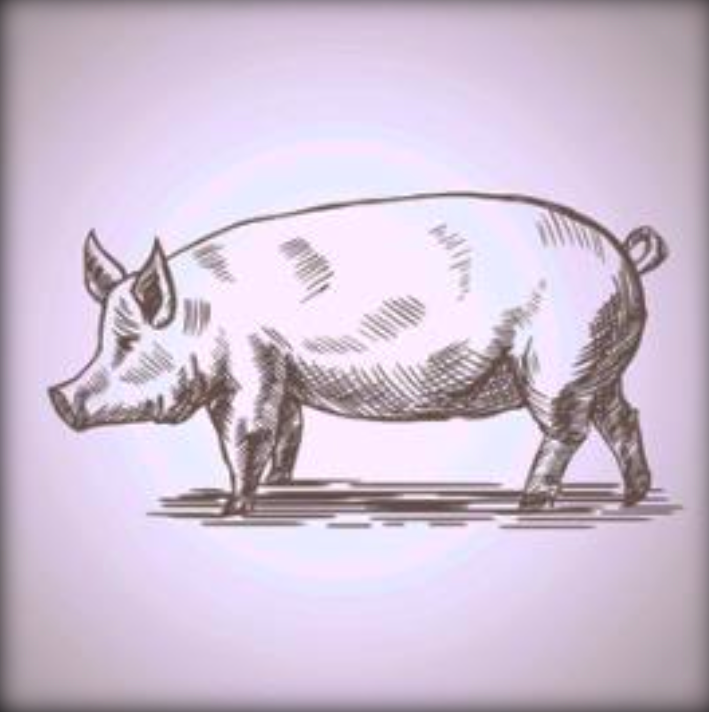
Soon, we will gather to celebrate spring and Easter around the table, with family or friends, ready to welcome one of the timeless classics of the holiday: Easter ham or lamb. Although domestic pork was introduced to North America in the 17th and 18th centuries by European settlers, it was not until the 19th century that ham became a true Easter symbol in the United States. In rural areas, festive meals were built around available and easily preserved foods, and ham naturally established itself through two major culinary traditions: "country ham" and "city ham."
The Two Hams
"Country ham" comes from traditional Southern rural practices, where meat was salted, cured, and aged for several months to survive the winter. Its bold, very salty, and sometimes smoky flavor makes it a product full of character, often served in thin slices with biscuits, honey, or fruit preserves that soften its intensity.
In contrast, "city ham," widely embraced in Northeastern households, reflects more modern lifestyles. A brined, tender ham, often pre-cooked and spiral-sliced, it has become the icon of the contemporary Easter meal. Popularized in the 20th century by companies like The Honey Baked Ham Company, it stands out for its sweet glazes as honey, brown sugar, or sometimes even pineapple, creating that beloved sweet-and-salty contrast. Served with mashed potatoes, spring vegetables, or deviled eggs, it embodies a cuisine that is convivial, approachable, and deeply rooted in modern American culture.
The Black Sheep
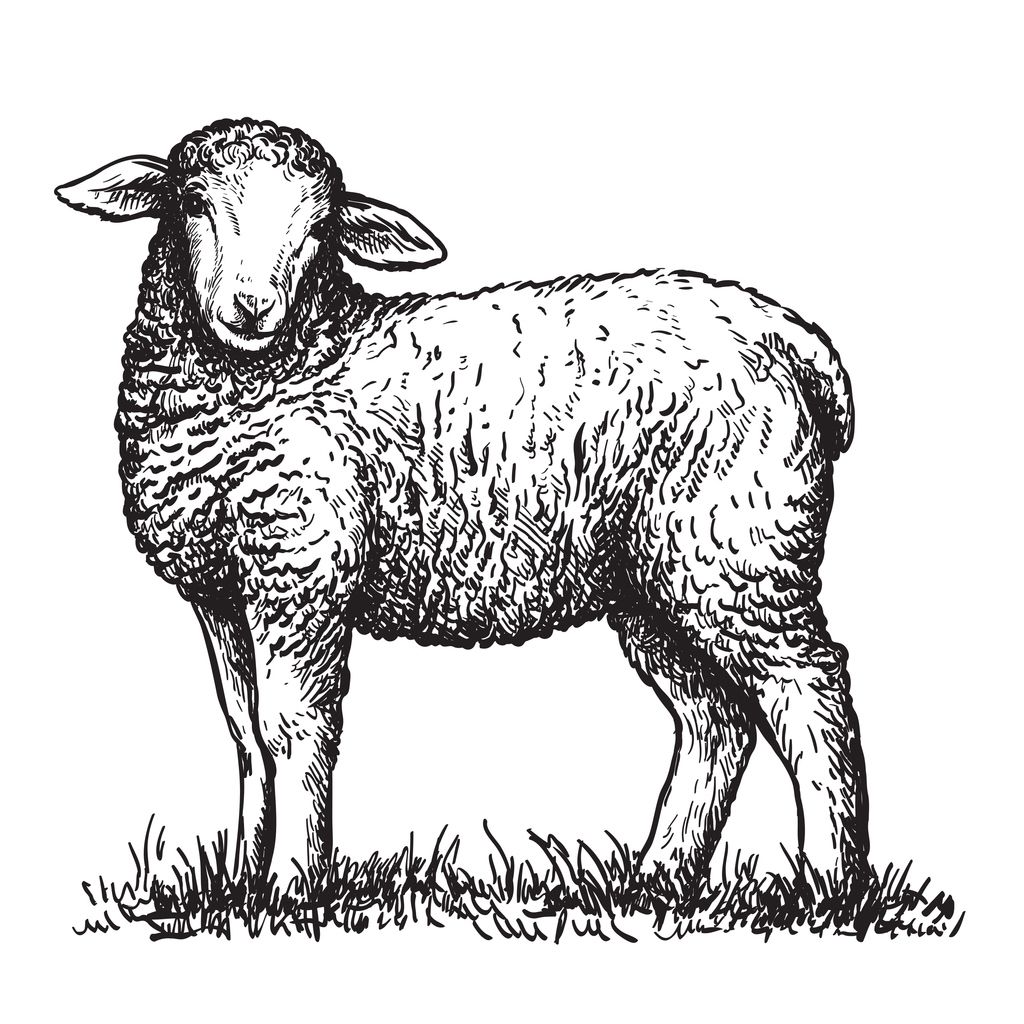
Against this well-established tradition, lamb offers an older and more symbolic alternative, though less common in traditional American households. Its history traces back to the religious roots of Easter, linked to Passover and the Christian symbolism of the sacrificial lamb. Introduced to the United States through waves of European immigration, this tradition remains associated with more culturally rooted meals for those seeking a celebration closer to its historical origins. On the East Coast, where these influences are especially present, lamb most often appears as a roasted leg, simply seasoned with garlic, rosemary, and lemon. Its flavor, more pronounced and slightly herbal, contrasts with the sweetness of ham and calls for specific accompaniments such as mint sauce, seasonal vegetables, and roasted potatoes. Less dominant yet still meaningful, roasted Easter lamb on East Coast tables reflects a subtle balance between heritage and culinary evolution. Whatever your preference for this Easter meal, it is essential that the choice of wine accompanies this celebration, a reflection of renewal, rebirth, and the living history of a nation that celebrates its 250th anniversary this year. So here are my winey suggestions, with a simple guide to make your choice: "If you like this, then choose this!"
"Country Ham"
Accompaniments: American biscuits (buttermilk biscuits), honey or fruit jams (peach, fig, apricot), red-eye gravy, mashed potatoes or roasted potatoes, sautéed green beans, spinach and spring baby carrots.
RED WINES
Pinot Noir
Light to medium-bodied, with fine round tannins, nice acidity and fruity aromas to cut through fat and balance the salt. Avoid Pinot Noir that is too heavy or oaky.
If you like: The Pinot Noir of northern Burgundy's Côte de Nuits — Marsannay, Gevrey-Chambertin, or Burgundy villages.
Then choose: A Pinot Noir from the northern Willamette Valley, Dundee Hills, Chehalem Mountains, or the Van Duzer Corridor; or from Santa Barbara (Sta. Rita Hills, Etna Valle); or from San Benito.
Available at Bonde
- Byron Kosuge "El Galpon" Pinot Noir 2023, Carneros, Sonoma County, CA
- Lange Winery Clone Wadenswil Pinot Noir 2019, Willamette Valley, OR
- Popelouchum Pinot Noir 2023, Popelouchum Vineyard Estate, San Benito, Central Coast, CA
- Swick Wines Pinot Noir 2022, Willamette Valley, OR
- Arnot-Roberts Pinot Noir 2023, Peter Martin Ray Vineyard, Santa Cruz Mountains, CA
- Sawyer Lindquist Pinot Noir 2020, Edna Valley, SLO Coast, Central Coast, CA
Beaujolais-style Gamay Noir (semi-carbonic fermentation)
Fruity freshness, low in tannins.
If you like: Beaujolais villages — Chiroubles or Brouilly.
Then choose: A Gamay from northern Sonoma Valley or El Dorado County (granite soil, high elevation), or a semi-carbonic Gamay from the Willamette Valley or Columbia Gorge (OR).
Available at Bonde
- Vincent Wine Gamay Noir 2021, Willamette Valley, OR
- Fieldhand Vineyard Gamay Noir 2024, Baytree Lane Vineyard, Sonoma Mountain, Sonoma Coast, CA
- Jolie-Laide Wine Gamay semi-Carbonic 2023, Sonoma County, Sonoma Valley, CA
WHITE WINES
Semi-dry Riesling
A slight sweetness and frank acidity that tempers saltiness and awakens the palate.
If you like: German Riesling (Feinherb, Kabinett, Spätlese) or Alsatian Riesling from the Haut-Rhin. Also Sylvaner, Auxerrois, Gewurztraminer, or Muscat Ottonel.
Then choose: Finger Lakes Riesling (NY), especially around Seneca Lake; southern Willamette Valley (OR); Michigan's Old Mission Peninsula; a Sonoma Coast Sylvaner; or Virginia.
Available at Bonde
- Smith-Madrone Riesling 2019, Napa Valley, CA
- Ovum Wines Riesling 2023 "Off the Grid", Cedar Ranch Vineyard, Cave Junction, Southern Oregon, OR
- Hermann J. Wiemer Vineyard Riesling 2023, Seneca Lake, Finger Lakes, NY
- Long Shadows Vintners "Poet's Leap" Riesling 2022, Gamache Vineyard, Columbia Valley, WA
- Dowsett Family Winery Gewürztraminer 2022, Celilo Vineyard, Columbia Gorge, WA
- Left Foot Charley Wine Auxerrois 2021, Old Mission Peninsula, MI
- Westport Rivers Estate Muscat Ottonel 2022, Westport, MA
- Lightwell Survey Hintermen 2022 (Riesling-Petit Manseng), Shenandoah Valley, VA
- Analemma Petit Manseng 2021, Columbia Gorge, OR
Chenin Blanc
Lively with fruity notes and refreshing acidity.
If you like: Vouvray or Montlouis demi-sec (Loire), or a semi-dry South African Chenin Blanc with roundness and notes of tropical fruit and honey.
Then choose: An off-dry Chenin Blanc from Clarksburg (Central Valley), Napa Valley, or Mendocino — nice acidity with a slight residual sugar.
Available at Bonde
- Pax Mahle Chenin Blanc 2021, Lyman Ranch Vineyards, Amador County, Sierra Nevada, CA
- Forlorn Hope Wine "Jarre" Chenin Blanc 2019, Rorick Heritage Vineyard, Sierra Foothills, Central Valley, CA
- Osa Major Chenin Blanc 2021, Kirtlan Vineyard, Clarksburg, Sacramento Valley, CA
What to avoid with Country Ham: Wines that are too tannic (Cabernet Sauvignon, powerful Syrah) risk hardening the palate against the salt. Wines that are too sweet or too creamy can create an imbalance.
"City Ham"
Accompaniments: Baked asparagus, peas with fresh mint, spring baby carrots with butter and honey, potato gratin, and Pineapple Casserole.
The goal is to find a wine that can compete with the salt of the ham and the sweetness of its glaze — often honey, maple syrup, or pineapple.
WHITE WINES
If you like: The same off-dry whites as for Country Ham, plus the exuberant Viognier from Condrieu (Côtes du Rhône) or Pays d'Oc — peach, apricot aromas and creamy texture that complement the sweetness of the glaze and the saltiness of the meat.
Then choose: A Viognier from California, Oregon, or Washington State, especially from the Yakima Valley.
Available at Bonde
- Long Shadows Vintners "Poet's Leap" Riesling 2022, Gamache Vineyard, Columbia Valley, WA
- Dowsett Family Winery Gewürztraminer 2022, Celilo Vineyard, Columbia Gorge, WA
- Left Foot Charley Wine Auxerrois 2021, Old Mission Peninsula, MI
- Westport Rivers Estate Muscat Ottonel 2022, Westport, MA
- Lightwell Survey Hintermen 2022 (Riesling-Petit Manseng), Shenandoah Valley, VA
- Analemma Petit Manseng 2021, Columbia Gorge, OR
ROSÉ WINES
Freshness, fruit, and a little roundness — without too much structure.
If you like: Rosé d'Anjou or Cabernet d'Anjou from the Loire, or a Tavel (Provence) with more structure.
Then choose: Californian rosés with character — Cabernet Franc, Gamay, or Valdiguié. Or macerated rosés from Oregon, the Columbia Valley, Long Island (NY), or a Rosé de Blaufränkisch from Upstate New York.
Available at Bonde
- Le Doubble Troubble Rosé of Grenache 2024, Columbia Gorge, OR
- Arnot-Roberts Rosé of Touriga Nacional 2024, Luchsinger Vineyard, Lake County, North Coast, CA
- Terah Wine Syrah Rosé 2024, Paicines Ranch Vineyard, Central Coast, CA
The Lamb
Accompaniments: Potatoes (often baked around the meat), garlic green beans, roasted asparagus, honey-glazed or cumin-roasted carrots or root vegetables, rosemary or thyme.
The wine must be chosen in consideration of how the lamb is prepared. For simplicity, these pairings are based on a traditional leg of lamb baked with garlic and tarragon.
RED WINES
GSM
If you like: Rhône Valley reds — Gigondas or Châteauneuf-du-Pape for garrigue and spice, or a northern Syrah like Cornas or Hermitage.
Then choose: A GSM blend (Grenache, Syrah, Mourvèdre) from the Columbia Valley (Yakima, Horse Heaven, or Walla Walla), Sierra Foothills, or El Dorado County. Also the great Syrah of Santa Barbara, Sonoma Valley, or AVA Carneros.
Available at Bonde
- Upsidedown Wine, The Gold Drop Collection GSM 2021, Dead Poplar Vineyard, Yakima Valley, WA
- Terre Rouge, L'Autre GSM 2015, Sierra Foothills, Sierra Nevada, CA
- Jeff Cohn Syrah 2015, Rockpile Vineyard, Sonoma County, North Coast, CA
- Lindquist Syrah Estate 2012, SLV Library Selection, Edna Valley, San Luis Obispo, Central Coast, CA
- Byron Kosuge Syrah 2009, Hudson Vineyard, Carneros, Sonoma, CA
- Piedrasassi Bien Nacido Vineyard Syrah 2021, Santa Maria Valley, CA
- Sawyer Lindquist Tempranillo-Syrah 2022, Santa Barbara, CA
Bordeaux Style
If you like: Left Bank Bordeaux (Pauillac, Haut Médoc) — Cabernet Sauvignon-dominant, with tannic structure that supports the fat of the lamb and notes of undergrowth that harmonize with the herbs.
Then choose: A Bordeaux-style blend (not too young) — Cabernet Sauvignon, Merlot, Cabernet Franc, Petit Verdot — from Napa Valley, Yakima Valley, or Texas.
Available at Bonde
- Verdad Wines Cabernet Sauvignon 2023, Two Wolves Vineyard, Santa Ynez, Santa Barbara, CA
- The Wonderland Project "No9" Cabernet Sauvignon, Napa Valley, CA
- Amapola Creek Cabernet Sauvignon 2017, Moon Mountain District, Sonoma County, CA
- Kevin White Winery Heritage 2022, DuBrul Vineyard, Yakima Valley, WA
- Pollard Vineyard Red 2020, Yakima Valley, WA
Tempranillo
If you like: Rioja Reserva or Ribera del Duero — oak-aged vanilla and spice that softens against the meat.
Then choose: Oregon (Umpqua Valley & Rogue Valley) is the pioneer of American Tempranillo, but also California (Clarksburg & Central Coast), Washington State (Yakima Valley & Walla Walla), and Northeastern California (North Yuba, El Dorado).
Available at Bonde
- Trouvère Artist Series Tempranillo Reserve 2015, Umpqua Valley, South Oregon, OR
Other Great Reds
If you like: Bandol, Cahors and Madiran (Malbec, Tannat), Blaufränkisch from Austria or Germany, Chianti Classico (Sangiovese), or Primitivo from Italy.
Then choose: Tannat from Santa Barbara, Paso Robles, or Santa Cruz. Blaufränkisch from the Finger Lakes (NY). Sangiovese from Napa Valley, Sonoma County, Paso Robles, or the Sierra Nevada foothills.
Available at Bonde
- Terah Wine Sangiovese 2024, Mokelumne River, Lodi, Central Valley, CA
- Rootdown Wine Sangiovese 2024, Jane's Vineyard, Anderson Valley, Mendocino County, CA
- Hermann J. Wiemer Lemberger 2018, Finger Lakes, NY
- Dominio IV "Technicolor Bat" 2022, Three Sleeps Vineyard, Columbia Gorge, OR
- Domaine Finot Tannat-Petit Verdot 2022, Turk Mountain Vineyards, Monticello, Virginia
- Tablas Creek Vineyard Tannat 2018, Adelaida District, Paso Robles, San Luis Obispo County, Central Coast, CA
Conclusion
Ultimately, whether your Easter table features ham — rustic or delicately glazed — or honors old tradition with a roasted leg of lamb, what truly matters is the joy of coming together and sharing the moment. Wine, in turn, enhances these experiences, building bridges between flavors and elevating the entire meal. But it's important to remember that choosing wine is, above all, a matter of style, your style. Beyond rules and pairings, it reflects your taste, your sensibility, and your curiosity. It's also a great opportunity to highlight domestic American artisan producers, who today offer wines of remarkable quality at very reasonable prices, all while expressing the true diversity of our lands. So, follow your instincts, explore different pairings, have fun comparing… and most importantly, enjoy the celebration as it should be: by first stopping in for thoughtful guidance and great selections at Bonde Fine Wine, and then around the table to share with generosity, curiosity, and good company.
Happy Easter, and cheers!
Powered by Lightspeed
Display prices in:USD
